
5 Secrets on Getting the Most Out of Partnerships
 April 28, 2015
Entrepreneur
Every entrepreneur and business leader needs something — money, information, technology, relationships or whatever.
…
5 Secrets on Getting the Most Out of PartnershipsRead More »
How to Make Money By Talking to Cool People
You’re always looking for ways to bolster your digital marketing strategy and stand out as an expert in your field, so why not consider hosting a podcast series?
Sure, it’s not exactly bleeding edge, but the practice is expanding. In fact, podcasting grew 105 percent between 2006 and 2012, and the number of customers listening jumped 163%.
 According to a survey KnowledgeStorm and Universal McCann conducted, 65% of business and IT professionals listen to podcasts for personal and business purposes, and 60 percent interviewees said whitepapers and analyst reports would be more attractive in podcast form.
That is a huge potential for a strong revenue stream–plus a brand and credibility boost.
Think about it this way: You’ve spent years gathering knowledge, and now you have tools to share it with the world. How empowering is that?
Learn From the Best
Podcasting is a portable way to communicate a message, which fits seamlessly into an entrepreneur’s busy lifestyle. It doesn’t need to be live–it’s on-demand. And you can forgo the screen because it plugs into your smartphone or car. It’s a brand extension that demonstrates your expertise and credibility to your target audience and sets you apart from competitors.
Celebrities and entrepreneurs alike have begun to capitalize on these incredible benefits.
For example, Internet marketer Brendon Burchard led the charge in building audiences, teaching them techniques in certain verticals, and selling them products or events that dive deep into the topic. For Burchard, this has netted millions and launched several New York Times best sellers.
Television mogul Kathie Lee Gifford also runs a successful podcast. She promotes her brand affiliates, such as Walmart, and hosts a long line of celebrity guests each week. An especially entertaining moment was hearing Gifford try to explain podcasts to an incredulous Regis Philbin.
“You mean they can hear this anywhere in the country?” Philbin asked. “No Reg, they can hear this anywhere in the world,” Gifford retorted. “It’s a radio show that goes out in cyberspace.”
5 Keys to Podcasting Success
These entrepreneurs didn’t create successful podcasts overnight, though. They planned and prepared carefully. Here are five tricks to cut down time and achieve rapid success:
- Plan ahead. If you’re doing a solo show, you might want to script it. For some, this means writing down every word you plan to say. For others, it’s making a cheat sheet of topics you want to cover in case you lose your place.
- Consult your knowledge bank. If you can’t decide where to start, sift through old blog posts or articles you’ve written, and use them as a guide or script. Choose a post that’s a few months old so the content isn’t too new but is still relevant.
- Find the right platform. Podcast success stories aren’t limited to massive spaces such as PodcastOne and iTunes. Other venues–including Libsyn and BlogTalkRadio–have built huge followings of do-it-yourselfers on social media. Keep your options open.
- Let your guests do the talking. If you’re doing an interview-based show, coach your guest with premade questions beforehand. Hosting a guest is also another promotional outlet, so make sure to ask interviewees to promote shows by linking to them on their website, blog, social media sites, email, etc.
- Get it on paper. Invest a few dollars to get the interview transcribed and sent to your guests soon after. You can also post it on your website’s blog or newsletter. I recycle the audios for an audiobook and have also created a series of audio “snacks” from my series I call “Coffee & Connections.” It’s another way for listeners to engage, and with a modest annual subscription fee attached, it provides a passive revenue stream. For entrepreneurs who teach, you can repurpose these into workbooks or audio portions of subscription-based training products, such as Kajabi.
The benefits podcasting has produced for my brand has far outweighed the risks–and the solid brand recognition that accompanies interviewing intriguing people is a fantastic asset and differentiator for any entrepreneur. So next time you’re searching for a new digital marketing tactic, consider a podcast. The personal and professional impact it’ll have might surprise you.
This article was previously published in Inc.com magazine
To your best success,
Kelli Richards, CEO of the All Access Group, LLC
PS: Subscribe to my FREE All Access Group Newsletter https://bit.ly/AAGNewletter
PSS: Listen to an entire library of intimate discussions with industry visionaries https://bit.ly/AllAccessPodcastSeries (Priceless)
4 Ways to Make the Most of Your Mentor-Mentee Relationship
Whether you’ve never had one before or you’ve heard horror stories from friends, it’s natural to be a little skeptical of the whole mentor-mentee thing, especially if you’re familiar with the competitive business world.
Somehow–by fate or circumstance–you’re supposed to meet a successful, experienced entrepreneur who just happens to want to chitchat about your ideas for hours each week and has the time and inclination to do so?
 In a climate where there’s no free lunch, it’s easy to assume there’s a hidden catch. But if you feel this way, it’s because you don’t understand how mentorship helps your mentor. Did you know that training and advising mentees is a powerful way for your mentor to gain leadership skills and team-building experience? And that mentees often help their mentors understand things in new ways through feedback, communication, and interpersonal skills?
The most satisfied mentees are the ones who recognize that every meeting has the potential to help their mentors advance their own careers, too. There are a few simple things you can do to make sure that reciprocal value gets created, including the following:
- Build a Reciprocal Relationship Research shows that people put more into relationships when they share common values and personalities. If you suspect your mentor isn’t getting anything out of your relationship, it might be because you’re asking her to chat up a brick wall or it’s simply not a good fit. Work toward making your relationship reciprocal by asking insightful, personal questions, sharing personal stories of your own, and offering to help whenever possible. At the very least, spring for lunch every once in a while. Do everything you can to make sure your relationship is a two-way street, and you’ll uncover a much more animated, energetic mentor.
- Know Your Role Understanding each person’s expectations is a key ingredient in relationship building, and the mentor-mentee relationship is no exception. Each party needs to understand her role in the relationship and approach the conversation with that attitude. For example, if your mentor prefers to offer straightforward coaching, it’s up to you to adjust your expectations and be flexible and responsive to her advice. This give and take allows both individuals to contribute to (and benefit from) the relationship.
- Don’t Shy Away From Your Expertise Your mentor knows that you have expertise outside of her wheelhouse. Don’t shy away from this fact in an effort to protect her feelings. Playing dumb will only make you a bad mentee. For example, if you’re a Millennial mentee partnered with a baby boomer mentor, you might be able to provide insight into up-and-coming tech trends that could prove valuable to her. It’s that give and take (more emphasis on the give) that will make the relationship between the two of you stand out.
- Take Advice and Offer Feedback When your mentor invests time in your relationship and offers you advice, it’s wise to consider taking it if it makes sense to do so. There’s nothing worse than a mentee who listens, ignores, and doesn’t even follow up on practical advice that’s offered to her. If you’re on the receiving end of advice, it’s up to you to implement it and keep your mentor updated on how those strategies are working out. If you don’t plan to take the advice, stand up for yourself and explain your thinking. This deeper discussion might help your mentor understand your position, or it might expose a misunderstanding that was preventing you from embracing the idea. Who knows? It might even reveal a better idea.
If you’re skeptical about why a mentor would want to partner with a mentee, it may be because you don’t have a plan in place to make it worth her while. Figure out what you have to offer your mentor, and do everything you can to provide that value. It’s how you’ll build a reciprocal, mutual relationship that benefits you both in the long term.
This article was previously published in Inc.com magazine
To your best success,
Kelli Richards, CEO of the All Access Group, LLC
PS: Subscribe to my FREE All Access Group Newsletter https://bit.ly/AAGNewletter
PSS: Listen to an entire library of intimate discussions with industry visionaries https://bit.ly/AllAccessPodcastSeries (Priceless)
Streaming and Beyond: Apple Will Lead the Way to the Next Music Experience
If you wanted to listen to a certain song just 30 years ago, you had two options: You could buy the physical album, or you could spend an afternoon waiting for the song to come on the radio so you could record it on a cassette tape in your boom box.
Now, almost any song is just a click away. First, there were on-demand services such as Napster, then came the iPod and other portable MP3 players. Today, millions of people sign up for streaming services such as Pandora, Spotify, and Google Play Music for a nearly unlimited supply of music.
Listeners now control the entire experience. We can listen to our favorite artists or songs at any time and on any device. Streaming has even made the listening experience social. Services such as Spotify are integrated with Facebook, allowing listeners to see what their friends are listening to in real time, making it easy to discover new music.
But what’s next for the listening experience? For now, streaming music services are going strong, but the future of music — streaming and beyond — will likely be heavily influenced by the company that has already remade the music industry: Apple.
Apple’s New Streaming Service Will Start With a Lead
During my 10-plus years leading music and entertainment initiatives at Apple, I helped set the company on a course to become an innovator in the way artists create, market, and distribute music. Back then, the effort revolved around the Macintosh and Pro Tools, leading into the digital revolution. Then, Apple created the iPod and iTunes to move the music industry beyond the analog era, and the rest is (well-documented) history.
Apple has retained its focus on music to this day, so it’s no surprise that it will continue to play a key role in determining the future of the listening experience. Its latest effort began last year when the company bought Beats Electronics and Beats Music for $3 billion. At the time, I predicted the acquisition might be the company’s smartest move yet, and if recent reports can be trusted, it appears this will prove correct.
The first fruits of the Apple-Beats collaboration are likely to arrive this year, according to 9to5Mac, which reported in February that Apple was working on a new paid streaming music service based on Beats’ technologies and music content integrated into the iTunes service.
The service reportedly will cost $7.99 per month — which is $2 cheaper than rivals such as Spotify and Google Play Music — and will be integrated into iTunes and the default Music app on iOS.
The lower price tag is a clear advantage, but beyond that, the service would launch with a huge potential customer base. By integrating the new service into iOS, iTunes, and Apple TV, Apple will reach all of its hundreds of millions of customers in addition to existing subscribers to the Beats Music streaming service.
Apple is also reportedly revamping the Beats Music Android application, so it, too, will attract customers who use the mobile operating system with the largest global market share.
Combine Apple’s price advantage, its marketing prowess, and its unsurpassed market penetration with its history as a music innovator, and you have a solid foundation for streaming success.
Music Innovation Won’t Stop at Streaming
Although Apple is set to launch a streaming service that could quickly become an industry leader, the company isn’t content to stop there. Apple knows that customers crave a unique experience that combines the best of streaming and physical CDs, and it’s working on a product to meet that demand.
Apple and U2 have been collaborating on a secret interactive digital music experience— something so unique and engaging that it could tempt music fans into buying whole albums again. According to Bono, this new audiovisual format can’t be pirated and will bring back album artwork while giving fans a behind-the-songs experience.
Fans always want to be closer to their favorite artists. During my time at Apple, my friend Ty Roberts of Gracenote created the technology behind the enhanced CD, which offered an immersive listening experience and helped to usher in the digital music revolution.
Today, Apple and U2 appear poised to bring a next-generation version of that concept to the digital world, while helping artists protect their rights and income.
Streaming music as it exists today probably isn’t the final destination for music because we crave something more — a richer experience that combines what we miss with what’s still to come. Just as it did with the iPod and iTunes, Apple will create the next listening experience that will help us delve deeper into our favorite tracks and get closer to our favorite artists.
This article was first published on www.huffingtonpost.com/tech/.
To your best success,
Kelli Richards, CEO of the All Access Group, LLC
PS: Subscribe to my FREE All Access Group Newsletter https://bit.ly/AAGNewletter
PSS: Listen to an entire library of intimate discussions with industry visionaries https://bit.ly/AllAccessPodcastSeries (Priceless)
Streaming and Beyond: Apple Will Lead the Way to the Next Music Experience
 April 6, 2015
The Huffington Post
You could buy the physical album, or you could spend an afternoon waiting for the song to come on the radio so you could record it on a cassette tape in your boom box.
Read the entire article here: https://www.huffpost.com/entry/streaming-and-beyond-appl_b_6996898
Peter Bregman
Is It Time to Spring Clean Your Business? Here’s How to Do It
 April 3, 2015,
Inc.
Can Apple’s Interactive Digital Music Solution Refresh the Music Industry?
When U2 released its album “Songs of Innocence” with an exclusive iTunes partnership, the band was trying to figure out something a bit more complex than simply reaching as many fans as possible. It was grappling with which side of music history it wanted to fall into: the “stream or die” path of slowly decreasing record sales and pirated downloads or the path to reviving the music industry.
While automatically downloading the album to all iTunes users’ libraries felt a little too “Big Brother” for some consumers, it’s a great example of revenue-generating experiments on the horizon. As piracy and streaming continue to cut into artists’ revenues, bands and record labels are actively upping their game to encourage fans to purchase more music, goods, and experiences.
 Few artists are likely to follow in U2’s footsteps with the same strategy after the backlash from iTunes users, but when a challenge emerges in the market, we can always look to Apple to lead with the most creative solutions. The “Songs of Innocence” maneuver was Apple showing its hand: The solution to diminishing music sales could be an interactive digital music approach.
How Innovation Shaped the Music Industry’s Path.
Fans crave a sense of being closer to the artist, and even 20 years ago, Apple was involved in making this happen. During my years at Apple, my good friend Ty Roberts of Gracenote had created something called the enhanced CD, which created the same types of immersive artist-to-fan experiences for the CD (years ahead of the digital online music curve).
For more than 25 years, Apple has been a leading innovator in the way bands make, market, and distribute music. During my tenure driving music initiatives at Apple, I spent a fair amount of time encouraging artists to use Macintosh (coupled with software such as Pro Tools) as a partner in liberating their music-creation process from expensive recording studios. For the first time, artists could write, record, and mix their music from their own home studios at their leisure.
The digital landscape subsequently changed the industry forever. The 2001 introduction of the iPod and the launch of iTunes in 2003 were seismic shifts. But when songs first became available in MP3 format, pirating software such as Napster and BitTorrent took over, costing the music industry billions in illegally downloaded songs every year. To be fair, both services attempted to demonstrate to record labels how they could monetize the many millions of users who were accessing songs through these torrents — but those efforts fell on deaf ears back then.
This demand for free media led to the development of streaming music options such as Spotify and Rdio. While access to artists is at an all-time high (a pro for consumers and smaller bands), the sweeping popularity of these applications deprives established artists of fair compensation. Streaming music has its share of detractors, including Taylor Swift and Radiohead’s Thom Yorke. These big-name naysayers choose to ride a new wave of marketing and distribution that will protect their hard-earned income: the creation of products desirable enough (and personal enough) to coax fans into paying.
How Interactivity Feeds the Artist and the Fan
Interactive digital music is one attempt at recapturing these lost music dollars. Rather than downloading individual songs (legally or illegally), interactive albums give fans access to a rich, immersive visual and audio experience with add-ons they can’t get from a streaming service, such as photography, interactive lyrics, and fan remixes.
Then, these interactive downloads can be woven into an artist-focused app that organizes each artist’s concerts, brand partnerships, merchandise, and product offerings into one place and sends revenue straight to the artist — instead of to the other players in the music ecosystem.
Interactive digital music is a perfect extension of Apple’s philosophy because it allows musicians to embrace their creativity and recapture some of what made physical albums special. It’s a flashback to a time when artists had the resources to care about the presentation of the artwork, write long-form albums on specific themes, and design a rich and powerful artist-to-fan experience.
Although we can sense hunger from fans for more of this engagement, we don’t yet know how much money they’re willing to pay for these types of experiences or how they’ll actually embrace these opportunities. One of the most important aspects of developing any new product is deciding whether it meets the needs and desires of consumers. But as Apple has proven time and again, consumers often don’t know they want something until it’s presented for them to try.
Like anything in marketing, interactive digital music is an evolving experiment. But as long as companies dabbling in this arena avoid a fiasco like Sony’s ill-fated anti-copy rootkit technology, there aren’t a whole lot of foreseeable downsides. Apple has the perfect opportunity to capitalize on the growing interest of artists, fans, and its own products that can deliver this new immersive experience.
The music industry has always been about more than sounding good and getting a record deal. But today, artists have to give more than ever just to get what they got in the past. Artists who want to recoup lost sales and protect their livelihood from piracy must be willing to try new things — and surprise and delight fans with engaging, cutting-edge, interactive experiences.
This article was first published on Innovation Insights.
To your best success,
Kelli Richards, CEO of the All Access Group, LLC
PS: Subscribe to my FREE All Access Group Newsletter https://bit.ly/AAGNewletter
PSS: Listen to an entire library of intimate discussions with industry visionaries https://bit.ly/AllAccessPodcastSeries (Priceless)
How The Apple Watch Is Paving The Way To A New Generation Of Wearable Technology
When the iPod, iPhone, and iPad launched, they gave way to entirely new categories of MP3 players, smartphones, and portable computers. They were hardly necessities when they hit the market, and the prices seemed exorbitant at launch. In fact, people didn’t realize they wanted–let alone needed–these devices as part of their lifestyles when they first came out. That’s part of Apple’s magic.
Each of those devices proved its worth over time by offering consumers simple conveniences through innovative technology. Now, iPhones and iPads are ubiquitous and deemed essential items for businesspeople, students, and anyone with a desire to be connected.
 The next frontier is wearable technology, and with the Apple Watch set to arrive this spring, Apple is preparing to blaze the trail in the marketplace, just as it did with its other iconic devices.
The Difference Is in the Details
Apple devices have gone mainstream because they’ve transformed people’s lives for the better. That was the primary goal. The products enabled users to become more productive and efficient, with the minimalist style and ease that Apple products are famous for. While its smartwatch might not be the first one in its class, Apple is determined to set it apart from the rest.
For starters, the company hired several established senior-level executives from the fashion industry to collaborate on the watch and invited fashion houses to weigh in. The result? A watch that offers unparalleled stylistic options and personalization. And once you get past the beauty of it, you can peel back the layers and discover the functionality that makes this wearable unique.
As expected, the Apple Watch will integrate seamlessly with other Apple devices and connect with Siri to enable quick reminders and real-time requests. The watch also supports Apple Pay, which is being accepted by a growing number of retailers.
Users will no longer have to fumble around to find their hotel keycards and boarding passes, either. The watch will unlock hotel rooms at select chains and speed users through the airport with boarding pass access in select airlines.
Like the iPhone, the Apple Watch will continue to simplify a number of daily tasks. Before long, you’ll wonder how you ever functioned without it.
The Future of the Apple Watch and Wearable Tech
The functionality of wearable tech makes these items true lifestyle partners. As they assist you with multiple routine tasks in personal and professional settings, they’ll quickly become must-haves due to how integrated they are in your life.
The Apple Watch will give you the power to optimize daily tasks, leverage apps for information and communication, and be more productive and efficient in general, just as smartphones do. But with the Apple Watch, you’ll be able to do it all hands-free rather than having to carry your phone around in your hand.
But as wearables become mainstream, the industry will become ripe for innovation in multiple directions. Although few consumers have gotten past Apple Watch’s sticker shock, more niche groups will inevitably be identified as potential customers, including those interested in tracking personal fitness (be it weekend warriors or professional athletes) and elite frequent flyers.
When Apple revolutionized smartphones with a more sophisticated (and expensive) option, some questioned the value in paying hundreds of dollars for a cell phone. Consumers also greeted the iPad with skepticism. But soon after, users uncovered the plethora of handy features and the immense value behind these products, and today, you’d be hard-pressed to find anyone who’s not clenching a smartphone at this very moment.
As the price of the Apple Watch comes down, the same will prove true with this new wearable tech. Instead of simply being a timekeeper, it will be a timesaver–and an indispensable part of your daily routine.
This article was first published on Inc.com
To your best success,
Kelli Richards, CEO of the All Access Group, LLC
PS: Subscribe to my FREE All Access Group Newsletter https://bit.ly/AAGNewletter
PSS: Listen to an entire library of intimate discussions with industry visionaries https://bit.ly/AllAccessPodcastSeries (Priceless)
Dr. Judith Orloff, New York Times Best-Selling Author
Transforming the face of psychiatry, Judith Orloff MD asserts that we are keepers of an innate intuitive intelligence so perceptive that it can tell us how to heal — and prevent — illness.Yet intuition and spirituality are the very aspects of our wisdom usually disenfranchised from traditional health care.
Dr. Orloff is accomplishing for psychiatry what physicians like Dean Ornish and Mehmet Oz have done for mainstream medicine — she is proving that the links between physical, emotional, and spiritual health can’t be ignored. Dr. Orloff is a New York Times bestselling author and is on the UCLA psychiatric clinical faculty. She specializes in treating empaths and sensitive people in her Los Angeles based private practice. She has spoken at medical schools, hospitals, the American Psychiatric Association, Fortune Magazine’s Most Powerful Women Summit, and alternative and traditional health forums — venues where she presents practical intuitive tools to doctors, patients, and everyday people. In response to her work, The Los Angeles Times calls Dr. Orloff “a prominent energy-based healer.”
Dr. Orloff’s latest book “The Empath’s Survival Guide: Life Strategies for Sensitive People” (Sounds True, 2017) is an invaluable resource to help sensitive people of all kinds develop healthy coping mechanisms in our high-stimulus world without experiencing compassion fatigue or burnout. Then empaths can fully embody their gifts of intuition, creativity, and compassion.
Listen to the entire podcast here: https://allaccessradio.libsyn.com/kelli-richards-interviews-dr-judith-orloff

How the Apple Watch Is Paving the Way to a New Generation of Wearable Tech
March 20, 2015,
Inc
The next frontier is wearable technology and the Apple Watch will not only be a timekeeper, but it will also be a timesaver.
Read the entire article here: https://www.inc.com/kelli-richards/how-the-apple-watch-is-paving-the-way-to-a-new-generation-of-wearable-tech.html
Turn Up Your Volume: 5 Big Moves Entrepreneurs Can Learn From Music Moguls
Music moguls and entrepreneurs have a lot to teach each other. But don’t worry; you don’t have to sing like Beyoncé or turn tables like Skrillex to bring the music to your business.
When you think about it, there are multiple ways that the music industry reflects what you’re trying to accomplish as an entrepreneur. Music rewards innovation and originality–finding “the next big thing” is a mantra you both share–and you both aim to immerse customers in rich and compelling experiences, right?
 So don’t be afraid to unleash your inner music mogul once in a while; it could actually do amazing things for your company. Here are five mogul moves you could consider making:
- Trust your gut. If everyone in the music and tech industries followed the traditional path to success, we wouldn’t have game-changers like The Beatles, Steve Jobs, and Richard Branson. Trusting your instincts–even if it means veering from the safe path–can lead to your most creative, innovative, and ultimately successful decisions. Only you know where your passions lie and how to tap into them, so trust your gut, and don’t listen to the naysayers.
- Take big risks. Music moguls are always willing to try something new–whether it’s a creative approach to a tour, an unlikely collaboration, or a new distribution method. Taking risks is what separates the innovators from the followers. Whether it’s reaching out to that intimidating potential collaborator or launching an experimental project, the only way you’ll see amazing outcomes is by taking risks in the first place. You have everything to gain.
- Connect to larger causes. Music moguls are masters at leveraging their brand power to have a positive social impact and expanding their influence at the same time. They’re willing to lend their voices and faces to causes they believe in, take bold action, and make their fans and followers proud advocates. Entrepreneurs need to embrace the power they have to connect to the wider world and start creating the kind of positive legacy they dream of.
- Create an A-list posse. Entrepreneurship is often seen as a one-man show, but it’s important to realize that you typically can’t succeed on your own. Just as music moguls surround themselves with a strong team of artists, managers, lawyers, agents, and publicists, entrepreneurs should bring trustworthy, inspiring people into their projects. With a supportive network behind you, your ideas, customer base, and passion for your work will flourish. And be sure to have a trusted advisor by your side to help you develop your posse and collaborative partners. Choosing the right team is the most vital step in any successful venture. As music innovator Pharrell Williams said, “You are only as good as your team.”
- Find the next big thing. You can be as tech-savvy and business-minded as you like, but if you can’t create buzz around your next new product or idea, nobody will know or care. The music moguls are experts at creating buzz. Take Spotify, for example. It crafted a powerful launch model by using invite-only access to drum up anticipation and demand for its new product, which subsequently became an industry game-changer.
My own career has been a journey from music publications to a major record label to a tech giant to the crazy, disruptive startup environment of Silicon Valley. It’s definitely grown from there, but what I’ve experienced time and again is that no matter where I am, when powerful tech innovation and the bold music industry engage, it creates an intensely creative atmosphere.
Music moguls and entrepreneurs have a lot to teach each other. But don’t worry; you don’t have to sing like Beyonc or turn tables like Skrillex to bring the music to your business. All you need are these simple tips, a trusted advisor to help you chart your course and create the powerful collaborations you need, and your own entrepreneurial instincts and intuition, and you’ll be on your way to finding your inner music mogul to the delight of all of those you’ll serve
This article was previously published in Inc.com magazine
To your best success,
Kelli Richards, CEO of the All Access Group, LLC
PS: Subscribe to my FREE All Access Group Newsletter https://bit.ly/AAGNewletter
PSS: Listen to an entire library of intimate discussions with industry visionaries https://bit.ly/AllAccessPodcastSeries (Priceless)

Can Apple’s Interactive Digital Music Solution Refresh the Music Industry?
 March 17, 2015, Wired,
Innovation Insights
When U2 released its album “Songs of Innocence” with an exclusive iTunes partnership, the band was trying to figure out something a bit more complex than simply reaching as many fans as possible.

Peter Dekom
5 Critical Lessons in Mergers and Acquisitions From the Apple-Beats Deal
March 13, 2015,
Inc.
…
5 Critical Lessons in Mergers and Acquisitions From the Apple-Beats DealRead More »
5 Critical Lessons in Mergers and Acquisitions From the Apple-Beats Deal
Mergers and acquisitions are notoriously complicated, clumsy, and fraught with bad feelings when they’re not executed carefully and strategically. Often, leaders fail to communicate, which derails productivity and leaves employees worried about their jobs. Companies also tend to struggle to manage customer integration, branding, and media relations during the transition.
Last year, Apple shocked the world when it acquired Beats Music and Beats Electronics for $3 billion. Along with the fanfare that accompanies any Apple announcement, analysts were scratching their heads as to why Apple would buy Beats–a company that’s been criticized for producing flashy headphones with subpar sound that could conflict with the sleek, functional Apple brand.
But Tim Cook and his team knew what they were doing, and the acquisition has progressed relatively smoothly–though the integration and results have come about a bit more slowly than anticipated.
Here are a few lessons you can learn from this high-profile deal to make your own merger or acquisition as seamless as possible:
1. Look for the Ultimate Win-Win Scenario
When considering a business move as significant as a merger or an acquisition, look for a win-win situation. The ideal scenario is one in which both sides stand to gain significantly.
In the case of the Apple-Beats acquisition, Apple needed a music streaming service so iTunes could compete with Spotify and Google Play. Beats also brought “street cred” and the opportunity to expand the company’s existing product line. Meanwhile, Beats needed more market share.
It didn’t hurt that Apple and Jimmy Iovine have a history. Iovine stated publicly that he always felt like Beats belonged with Apple because of its “deep commitment to music fans, artists, songwriters, and the music industry.”
2. Choose the Best Structure
When building the ideal scenario, determine whether it would be better to keep the companies running as separate entities or integrate them under one umbrella. Ensure that you get input and buy-in from both sides so it doesn’t feel like one company is steamrolling the other.
Part of the reason the Apple-Beats acquisition has been so straightforward is that Beats effectively shut down and has been fully integrated into iTunes. To accomplish this, both companies needed to work together to place the best Beats employees in key roles at Apple.
3. Get All Leaders Involved
For a change as important as an acquisition or a merger, senior executives in both companies should be active participants in the process. The CEO, COO, and relevant department heads all play a role. For example, the CEOs and heads of PR will want to work together to craft a unified company message and manage the media strategically and effectively.
4. Identify Roles for Key Players
One of the most difficult aspects of mergers and acquisitions is downsizing. When management roles overlap, you’ll need to restructure or consider layoffs. Leaders from both teams should put forth their top candidates and negotiate to determine who will fill specific roles. You’ll have to come to terms with the fact that some important figures may have to leave the new company with a severance package.
In the Apple-Beats deal, Apple was able to retain and integrate Beats’ crucial players into the iTunes team. Iovine and Dr. Dre now hold senior roles at Apple, and others, including Ian Rogers, Trent Reznor, and Bozoma Saint John, have stayed on following the acquisition.
5. Don’t Forget About Culture
The need to integrate two different corporate cultures is often overlooked, which has caused challenges on the other side of the financial merger and acquisition between Apple and Beats. These nuances must be considered early on. If cultural integration isn’t properly addressed, it can not only hinder morale, but it can also lead to plummeting productivity, higher turnover rates, and sabotage.
This is where a cross-functional integration team can influence the outcome. This team can evaluate the cultural differences between the two companies and tackle them directly to mitigate challenges and avoid surprises. This way, you’re not just throwing new employees into an unfamiliar environment and expecting them to know the rules, which are sometimes unspoken. This is subtle but incredibly significant.
While merging or acquiring, it’s important to remember that the integration could take longer than anticipated. The transition may not be seamless or swift, but by crafting a deal that makes strategic sense for both parties, communicating openly, and working to retain key players, you’ll be much more likely to succeed as a united force.
This article was previously published in Inc.com
To your best success,
Kelli Richards, CEO of the All Access Group, LLC
PS: Subscribe to my FREE All Access Group Newsletter https://bit.ly/AAGNewletter
PSS: Listen to an entire library of intimate discussions with industry visionaries https://bit.ly/AllAccessPodcastSeries (Priceless)
Alan Weiss
How to Harness Power Like a Celebrity
In the mid-1990s, Apple ran a series of insightful ads entitled “Power Is,” featuring several celebrities describing what power meant to them.
Spike Lee said power is succeeding when the odds are against you and you have a constant desire to learn. George Clinton, on the other hand, shared that power is the ability to motivate, communicate, and reinvent yourself. Marlee Matlin described power as having confidence, no limits, and the freedom of expression.
 Simply by their celebrity status, all these people have a certain amount of power–a power to live how they want, influence others’ perspectives, and motivate people to take action. Of course, this power has its downside. How would you like your every move publicly dissected? But if celebrities treat that reality with respect and use it to uplift, inspire, and encourage others, then they can make a real difference–as well as a profit from their brand and their reach.
The question is: How do everyday people–specifically entrepreneurs–obtain this power?
While there is such a thing as “overnight success,” most celebrities work hard over a long period of time to reach their powerful status. Here are three strategies of the stars that business professionals can use to make a difference in the world and do things that truly matter to them:
1. Build Your Tribe
Who you align yourself with affects your values, reputation, success, and often your financial well-being. Most success stories involve individuals surrounded by people they trust who share their values and genuinely have their best interests at heart.
Take Oprah Winfrey, for example. She has had consistent support from incredibly loyal staff, close friends, and colleagues who have stood by her for decades. Personally, she’s benefitted tremendously from the mentor relationship she enjoyed with the late Dr. Maya Angelou, as well as from her long-time partner, Stedman Graham, and her best friend, Gayle King.
Jimmy Iovine and Dr. Dre’s business partnership with Beats is another great example of a professional relationship that was mutually beneficial. Beats proved to be highly profitable for both of them in its recent sale to Apple–something that may have been more challenging to do if not for the power of their partnership.
2. Pursue New Ventures
If you’ve had success as an entrepreneur once, you already know how to make something from nothing. Now, you have the ability to take your experience, resources, and prominence to create new businesses that fulfill a lifelong dream or generate revenue streams for a cause–or both.
Actor Paul Newman founded Newman’s Own in 1982 with pal A.E. Hotchner after his homemade salad dressing became a hit with friends. The company’s offerings have expanded, but always with the purpose of donating all proceeds to charities. To date, the amount contributed has surpassed $300 million.
Among other entrepreneurial endeavors, Sandra Bullock opened the eco-friendly Austin, Tex.-based Bess Bistro. She must love this pursuit because she was involved in every detail of making it come together.
3. Explore Other Interests
If you look at most celebrities’ rsums, you’ll notice a large number of multihyphenates–people with multiple job titles. It’s rare to truly excel in a number of areas, but many talented people who work hard can do it. Don’t feel like you have to stay in one industry or skill set. Branching out can often create multiple sources of income and fulfillment.
Take Beyonce Knowles, for example. She doesn’t stop with music–she’s built a business empire endorsing companies like H&M, creating a line of fragrances, and heading up a successful clothing company. It’s no wonder she topped the Forbes Celebrity 100 list.
You should also use a variety of tactics to engage with your audience via social networking. It’s what Hillary Clinton calls “smart power” (i.e., finding ways to connect with people so they can then influence their governments). While Clinton’s celebrity status often distracts from her work, she’s excellent at using her power to engage and empower youth, women, and entrepreneurs as she works toward change.
You may not be a “celebrity” to the general public, but if you’re successful in your field, there are likely a number of people who know who you are. As your recognition grows, the number of people you influence will increase. In all of these cases, the celebs referenced have used their power and influence to make a difference in a way that allows them to invest their heart, soul, energy, passion, time, and even money into something they love. That’s real power.
What will you do with your power?
This article was previously published in Inc.com
To your best success,
Kelli Richards, CEO of the All Access Group, LLC
PS: Subscribe to my FREE All Access Group Newsletter https://bit.ly/AAGNewletter
PSS: Listen to an entire library of intimate discussions with industry visionaries https://bit.ly/AllAccessPodcastSeries (Priceless)
The Super Connector’s Guide to Making Powerful Business Introductions
As an entrepreneur, you understand the importance of having a strong network. What many people don’t understand is that it’s not always who you know, but what you do with those connections, that matters.
Throughout my career, my extensive network in Silicon Valley has allowed me to create intros for startups seeking funding for their ventures and secure celebrities like Jerry Seinfeld for corporate events. But I haven’t done this by connecting with a bunch of random people on LinkedIn; I’ve nurtured these relationships through the power of reciprocal networking.
If you aren’t actively looking for ways to make valuable introductions for your connections, your network isn’t as strong as it could be.
Here are a few ways to make winning introductions that will lead to lucrative long-term opportunities for you and your connections.
How to Make a Powerful Business Introduction
 When you start making business introductions in person, it can feel a bit awkward. But the key to a successful connection is a clear understanding of what each individual has to gain from the relationship. If your connections don’t see an advantage to meeting the people you suggest, they’ll be skeptical of your intent.
A proper business introduction immediately erases confusion among mixed groups of people. It sets the stage for respectful interactions and eases the otherwise uncomfortable first conversation.
Always introduce the person with more authority first. Adding explanatory statements after saying each person’s name will also get the conversation flowing naturally and provide context. These can be simple statements such as their job titles.
When introducing one person to a group, announce that person’s name and identifier, and introduce each group member in the order they’re sitting or standing.
Connecting people who offer complementary services is a great way to promote mutually beneficial relationships. You can also offer to let people you respect sift through your LinkedIn connections and facilitate these meetings to add value.
Tips for Navigating the Uncomfortable Email Introduction
Making introductions in person usually feels less forced than sending emails out of the blue, but it’s not always feasible to get the two people you want to connect in the same place at the same time. This is where email introductions come in.
When emailing your connections to establish an introduction, make sure you always:
- Ask for permission first. Explain the value proposition for each party meeting the other, and ask if they’d feel comfortable with you making the connection.
- Mention whether they’ve met before. People often forget brief meetings, and the reminder can save them some embarrassment.
- Make haste slowly. Good introductions require careful preparation. Think through how both parties could benefit from each other, and spell it out in an email. Hurried, ill-planned emails can have a negative impact on these burgeoning relationships–and your reputation.
- Encourage the conversation. You never want to start an email thread, only to receive no response from either party. To avoid this social disaster, urge both people in the email to arrange a time to talk in the near future.
- Make action steps clear. Be straightforward in your email, and outline what the specific next steps should be.
Solid introductions always come down to adding value for other people. When you set up a long-term cycle of promoting mutual wins, you position yourself as a credible and trustworthy business connection.
Establishing a reputation for facilitating great relationships is the best way to increase your chances of success, no matter what field you’re in. And as this cycle of reciprocity continues throughout your career, the referrals, invitations, and unique experiences will start pouring in.
This article was previously published in Inc.
Kelli Richards, CEO of the All Access Group, LLC
PS: Subscribe to my FREE All Access Group Newsletter https://bit.ly/AAGNewletter
PSS: Listen to an entire library of intimate discussions with industry visionaries https://bit.ly/AllAccessPodcastSeries (Priceless)

5 Unlikely Music Legends With Great Advice for Entrepreneurs
 February 25, 2014,
LinkedIn Articles
As an entrepreneur, it’s important to keep your ears open for helpful advice — especially when you’re new to the game.
Read the entire article here: https://www.linkedin.com/pulse/20140225155053-9638-5-unlikely-music-legends-with-great-advice-for-entrepreneurs/
9 Ways to Make a Lasting Impression at Your First Conference
October 27, 2014, LinkedIn Articles Success in business is all about connections and relationships. And with more and more people working virtually and face-to-face meetings becoming fewer and farther between, the stakes have never been higher for making a good first impression. Read the entire article here: https://www.inc.com/kelli-richards/9-ways-to-make-a-lasting-impression-at-your-first-conference.html
Turn Up Your Volume: 5 Big Moves Entrepreneurs Can Learn From Music Moguls
October 24, 2014, Inc. Music moguls and entrepreneurs have a lot to teach each other. But don’t worry; you don’t have to sing like Beyoncé or turn tables like Skrillex to bring the music to your business. Read the entire article here: https://www.linkedin.com/pulse/turn-up-your-volume-5-big-moves-entrepreneurs-can-learn-richards/
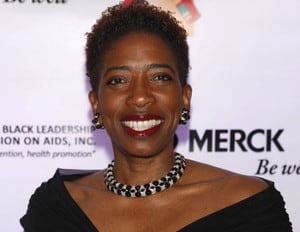
Carla Harris
Listen to the entire podcast here: https://allaccessradio.libsyn.com/kelli-richards-interviews-carla-harris

Stephanie Redd
Listen to the entire podcast here: https://allaccessradio.libsyn.com/kelli-richards-interviews-stephanie-redd
Wearable Technology – iWatch and Wait
Formally known as “The Apple Watch,” Apple again forces us all to ask one existential question: What is it? Is it a bird? A plane? A watch, computer, bracelet, phone, or tablet? Now, you might be saying: Smart watches aren’t a new idea. But, in the end, Apple really does just do everything better.
The Ultimate Guide to Delegating (for Entrepreneurs Who Hate Delegating)
October 17, 2014, Inc. Freeing up your time won’t just make you more productive; it will also help maximize the skills and strengths of everyone on your team — including you. Read the entire article here: https://www.inc.com/kelli-richards/the-ultimate-guide-to-delegating-for-entrepreneurs-who-hate-delegating.html
The Secret Weapon of Billionaire CEOs and Other Wildly Successful People
October 10, 2014, Inc. If you’ve reached a plateau, it might be time to hire a business coach. A business coach can be a valuable asset to any executive and leader. Read the entire article here: https://www.inc.com/kelli-richards/the-secret-weapon-of-billionaire-ceos-and-other-wildly-successful-people.html
9 Ways to Make a Lasting Impression at Your First Conference
October 3, 2014, Inc. Conferences and industry events are a great place to initiate, establish, and nurture valuable business connections, but if you do the work before and after, you’re much more likely to maximize your time when you’re face-to-face. Read the entire article here: https://www.inc.com/kelli-richards/9-ways-to-make-a-lasting-impression-at-your-first-conference.html
Peter Hoddie
Listen to the entire podcast here: https://allaccessradio.libsyn.com/kelli-richards-interviews-peter-hoddie
The Super Connector’s Guide to Making Powerful Business Introductions
September 26, 2014, Inc. If you aren’t actively looking for ways to make valuable introductions for your connections, your network isn’t as strong as it could be. Read the entire article here: https://www.inc.com/kelli-richards/the-super-connector-s-guide-to-making-powerful-business-introductions.html

Elaine Dennis
Listen to the entire podcast here: https://allaccessradio.libsyn.com/kelli-richards-interviews-elaine-dennis
3 Essential Steps to Creating a Successful Personal Growth Plan
September 19, 2014, Inc. Drawing up a plan with the counsel of trusted advisors can not only help you visualize your goals and the necessary steps to achieve them, but it can also remedy a lot of the uncertainty that held you back in the first place. Read the entire article here: https://www.inc.com/kelli-richards/3-essential-steps-to-creating-a-successful-personal-growth-plan.html
Music and Your Brand: Five Ways to Tune Your Demographic In With the Right Band
Attention is a scarce resource—and that means it’s a costly one. In a world of hundreds of competing voices, art and music have become a powerful way to bring a brand back into the spotlight. The perfect example? The “marriage” of Alicia Keys and Blackberry. Blackberry didn’t just bring Keys in as a spokesperson, either; it made her its creative director. That wasn’t just some made-up title to give the “Girl on Fire” credibility; Keys has brought in some stellar ideas to create user (and fan) engagement. For her first act, Keys shot videos in every location of her tour, and she invited local fans and residents of those locales to send their own photos to include in the video clips. Photos chosen went on Alicia Keys’ on-stage video projection. Now that is a huge win around user experience—one of the fastest ways to turn engagement into ROI. Make It Relevant Right now, consumer brands are marketing more and more with music and entertainment. In fact, it’s become so important that some major brands have started their own record labels—including Red Bull, Scion, Mountain Dew, and Converse. Why? Music is a powerful way to create a cultural connection and engage with an audience while drawing your product even closer to your demographic’s lifestyle. Being hip, cool, relevant, and present as a brand is important, but the more important issue can be the cost to your image if you resist popular trends. (Just one example: Levi’s missed the hip-hop boom, and it cost the company $1 billion in sales—in one year.) Tuning in isn’t just a smart way to connect with your audience; it can be vital to your brand’s survival. The New ‘A&R’ Brands are becoming a trusted source for breaking hip underground artists to the mainstream media. The iTunes team at Apple (my alma mater) chose specific, obscure artists to create buzz around the launch of iTunes. That curating practice was really a form of Artist and Repertoire (or A&R), which used to be the domain of a record company. An “A&R” role—which I once did for EMI Music prior to launching the music vertical at Apple—was responsible for cultivating new talent for a label. Now, brands are performing that role themselves. By partnering with artists who fit your audience, you can create the perfect exposure for your brand to the right people. Here are a few ways to start: Find the right sound. If you don’t know which artists may make sense for your brand, hire people who do, or spend time online and on social media networks researching what your audience is listening to. Just ask and explore; they’ll tell you which artists you’ll want to pursue further. Target your age group. Brands vying for the attention of younger audiences—especially those 13-25—must be tuned into the entertainment world, especially when tie-ins between brands and bands are core to success. By partnering with exactly the right artistic act, you’ll net far more attention—and credibility—with your target audience. Get in touch. Many brands are approaching artists directly. If the artist is signed, the label may be involved, but it’s best to start with the artist’s manager (if an established band) or the artist directly (when a rising indie artist). Go where your audience is. Music festivals create the perfect audience for a brand. You’ll place yourself in front of thousands of viewers and kindle a shared passion with your artists’ fans. There are lots of music festivals catering to diverse audiences; find your niche. Unify and balance. Merging the needs of artists, brands, and fans can create powerful results. When an artist has a song that ties into the theme of a brand campaign, it resonates with the audience and is doubly powerful. Behind the Music There’s nothing quite like a smart, well-executed match between a brand and an artist. When Rihanna debuted her clothing line for River Island during London Fashion Week, she helped generate buzz and boost awareness in the United States around the UK-based clothing brand. When Panic at the Disco partnered with Honda Civic for the Honda Civic Tour in 2008, the group created an original, exclusive song for Honda’s Civic commercial. The band reached a much broader audience, which resulted in higher CD and ticket sales, and Honda was on the cutting edge with a new kind of branded content. Apple’s commercial for the launch of the MacBook Air featured a soundtrack from a little-known artist, Yael Naim. “New Song,” which was recorded in Naim’s Paris apartment, jumped up the charts and subsequently led to a wildly popular US tour—and critical success. Those are just a few examples; dozens of artistically interesting campaigns have benefited from the touch of a complementary musical act. That creative matchmaking is different every time, and it brings a new, fresh twist to a brand’s perception. The reason is simple: By its nature, music is both emotional and powerful. That’s why fans gather around their favorite artists, creating strong, tightly knit subcultures. Tuning into those communities can be the difference between becoming “white noise” and making a truly engaged connection—and that’s every advertising campaign’s goal. This post was originally published on Marketing Profs.
How to Make Money By Talking to Cool People
September 5, 2014, Inc. Hosting a podcast series helps increase brand recognition and provides a credibility boost.
Music and Your Brand: Five Ways to Tune Your Demographic In With the Right Band
September 15, 2014, LinkedIn Articles Attention is a scarce resource—and that means it’s a costly one. In a world of hundreds of competing voices, art and music have become a powerful way to bring a brand back into the spotlight. Read the entire article here: https://www.linkedin.com/pulse/20140915152830-9638-music-and-your-brand-five-ways-to-tune-your-demographic-in-with-the-right-band/
How to Harness Power Like a Celebrity
September 11, 2014, Inc. Three strategies of the stars that business professionals can use to make a difference in the world and do things that truly matter to them. Read the entire article here: https://www.inc.com/kelli-richards/how-to-harness-power-like-a-celebrity.html
Star-Struck: Tapping into the Power of a Celebrity Speaker
September 8, 2014, LinkedIn Articles Creating a well-designed event is a balancing act. Tapping industry leaders and controversial renegades, orchestrating brilliant panels, and throwing awesome after-parties all help draw people in, but a well-informed celebrity speaker can elevate your event to “can’t-miss” status with real punch and energy. Read the entire article here: https://www.linkedin.com/pulse/20140908165516-9638-star-struck-tapping-into-the-power-of-a-celebrity-speaker/

Lisa Wellman
Listen to the entire podcast here: https://allaccessradio.libsyn.com/kelli-richards-interviews-lisa-wellman
How to Harness Power Like a Celebrity.
Three strategies of the stars that business professionals can use to make a difference in the world and do things that truly matter to them.
In the mid-1990s, Apple ran a series of insightful ads entitled “Power Is,” featuring several celebrities describing what power meant to them.
Star-Struck: Tapping into the Power of a Celebrity Speaker
Creating a well-designed event is a balancing act. Tapping industry leaders and controversial renegades, orchestrating brilliant panels, and throwing awesome after-parties all help draw people in, but a well-informed celebrity speaker can elevate your event to “can’t-miss” status with real punch and energy.
Personal Glimpses of a Comet: Comic Genius Robin Williams
Sometimes there are people who touch our lives in brief glimpses – and those encounters are so magical that we hold onto them and look forward to the next one over and over. They’re friends of friends or colleagues we bump into at events or meetings or random connections where it seems serendipity is at work.
Only the Good Die Young: Robin Williams & Other Creative Geniuses Taken Too Soon.
I’ll never forget the first time I met Robin Williams. I was a teenager attending a taping of “Mork & Mindy” on the Paramount Pictures lot. He was incredibly gracious and encouraging to my 16-year-old self with aspirations of working in the entertainment business and making my dent in the universe.
Only the Good Die Young: Robin Williams & Other Creative Geniuses Taken Too Soon
August 16, 2014, LinkedIn Articles I’ll never forget the first time I met Robin Williams. I was a teenager attending a taping of “Mork & Mindy” on the Paramount Pictures lot. Read the entire article here: https://www.linkedin.com/pulse/20140816040437-9638-only-the-good-die-young-robin-williams-other-creative-geniuses-taken-too-soon/
Jamie DeWolf
Listen to the entire podcast here: https://allaccessradio.libsyn.com/kelli-richards-interviews-jamie-dewolf

John Cook
Listen to the entire podcast here: https://allaccessradio.libsyn.com/kelli-richards-interviews-john-cook
5 Important Books to Create Your Best Success on Every Level
Attention, book lovers – and CEOs – and artists – and entrepreneurs…. Here are five books I absolutely think you should read, and why. Yes, some of them have been out a while, but if you haven’t read them, give yourself an early birthday gift and order all five. (Then share them with someone you mentor. Remember, trusted advisors don’t just give advice and make powerful connections, they share the good stuff out there that inspires change and action.)

5 Conversation Tools For Nurturing Your Relationship With A Mentor
July 29, 2014, Forbes We’ve all longed for a classic mentor-mentee relationship at some point in our careers. We want someone who is savvy and seasoned. We want her to provide the perfect insights and career advice that will help us reach our goals. We want someone who will guide us to our destination. Read the entire article here: https://www.forbes.com/sites/85broads/2014/07/29/5-conversation-tools-for-nurturing-your-relationship-with-a-mentor/
How Technology Has Made Home Business Easier
Of the 28 million small businesses in the United States, 52 percent of them are home-based. Maintaining and organizing your business from home is easier with the advancements in mobile technology. With the latest apps and services you can organize your business’ finances, organize your team, market your product, and provide your customers with top-notch customer service. These technologies have made it easy for home businesses to streamline processes and produce products that mimic larger organizations.

Steve Hayden
Listen to the entire podcast here: https://allaccessradio.libsyn.com/kelli-richards-interviews-steve-hayden

Eren Niazi
Listen to the entire podcast here: https://allaccessradio.libsyn.com/kelli-richards-interviews-eren-niazi
Randy Haykin
Listen to the entire podcast here: https://allaccessradio.libsyn.com/kelli-richards-interviews-randy-haykin
A Hard Day’s Night for Digital Legacy – The Lost Beatles Recordings
Great work will never die in today’s ever expanding online digital world. According to the IDC “The digital universe is growing 40% a year into the next decade. By 2020 it will contain nearly as many digital hits as there are stars in the universe.” In fact, according to Science Daily, 90% of all the world’s data has been written in the past 2 years. Wow. That is an incredibly daunting idea. Literally 90% of the information that is readily accessible to the world today was not available only 2 years ago.
Annual Allen & Company Sun Valley Conference
“Allen & Company is a private investment firm formed in 1922, located in New York and London. Allen & Company has advised, helped found and/or invested in numerous companies including BET, InterActiveCorp, Oxygen Media, Discovery Communications, News Corporation, the Coca-Cola Corporation and Google.”
Kick-Finishing: The Next Big Thing in Promotion – from Linkedin Influencers
It’s no surprise that artists and entrepreneurs alike frequently turn to crowdfunding — it works.
Crowdfunding campaigns raised more than $60,000 every hour in March. That’s a huge network recognizing and supporting individual projects and careers.
But it’s not just the initiation stage of a project that can benefit from a crowdfunding network. By using crowdfunding to spread the word after you’ve completed your project, you can turn your fans and partners into a massive marketing team and drastically increase the reach of your brand. This tactic is called kick-finishing, and it’s exactly what my musician friend Brent Bourgeois is doing with his new album.
Brent Bourgeois and the Origins of Kick-Finishing
Brent is a rock musician based in the San Francisco Bay Area with an extensive career in performing, songwriting, and producing. In the ’80s, he was a founding member of a fantastic band called Bourgeois Tagg and has since collaborated with numerous other talented artists.
Kick-Finishing: The Next Big Thing in Promotion
June 29, 2014, LinkedIn Articles It’s no surprise that artists and entrepreneurs alike frequently turn to crowdfunding — it works.

John Holland
Listen to the entire podcast here: https://allaccessradio.libsyn.com/kelli-richards-interviews-john-holland
How to Build a Strong Relationship with Your Mentor?
There is nothing more valuable for your personal and professional growth than finding the right mentor to guide and challenge you. But working with a mentor is not a transaction; it is a relationship, and as with any relationship it can be easily destroyed if you don’t take good care of it.
Why Apple’s Beats Acquisition May Be Its Smartest Move Yet
The most talked-about “secret” of 2014 was Apple’s $3 billion acquisition of Beats. Although it wasn’t officially announced until May 28, rumors swirled around the Internet for weeks.
Tune in for my powerful interview with Brent Bourgeois
Brent Bourgeois is a long-time colleague and notable American rock musician, songwriter, and producer who most recently worked with Julian Lennon on their single ‘The High Road’ off of his New Album ‘Don’t Look Back’ (with sales supporting Julian’s White Feather Foundation).
Why Apple’s Beats Acquisition May Be Its Smartest Move Yet
June 9, 2014, LinkedIn Articles The most talked-about “secret” of 2014 was Apple’s $3 billion acquisition of Beats. Although it wasn’t officially announced until May 28, rumors swirled around the Internet for weeks.
Eventual Millionaire Interview: How to Network With Celebrities and Thought Leaders like Steve Jobs, with Kelli Richards
Eventual Millionaire Interview: How to Network With Celebrities and Thought Leaders like Steve Jobs, with Kelli Richards
How Your Brand Can Rock the Socks Off A Music Festival
Summer music festivals are full of sunshine, fun, and community, but they’re also packed with thousands of potential customers and brand advocates. Advertising at these events is nothing new, but startups that can find a way to become part of the festival can reap significant benefits.
How Your Brand Can Rock the Socks Off A Music Festival
May 21, 2014, LinkedIn Articles The most talked-about “secret” of 2014 was Apple’s $3 billion acquisition of Beats. Although it wasn’t officially announced until May 28, rumors swirled around the Internet for weeks.
Nancy Duarte
Listen to the entire podcast here: https://allaccessradio.libsyn.com/kelli-richards-interviews-nancy-duarte
Dear HBO, Please Keep ‘Silicon Valley’ Real!!!
Of course, Hollywood is famous for exaggerating or overlooking important aspects of reality for entertainment purposes, but so far, HBO’s “Silicon Valley” looks promising. Despite the dramatic plotline and startup stereotypes, the show provides a mostly accurate portrayal of entrepreneurial life and may even help demystify some aspects of startup culture.
3 SEEMINGLY OBVIOUS TECH MERGERS WE’RE STILL WAITING FOR
One of the best parts of working in the tech industry is having a ringside seat to watch heavyweights like Google and Apple duke it out for market share and to be the first to develop the next big thing.
Cheri Huber
Listen to the entire podcast here: https://allaccessradio.libsyn.com/kelli-richards-interviews-cheri-huber-0
Dear HBO, Please Keep ‘Silicon Valley’ Real
May 7, 2014, Forbes Startup life is a hot topic in Hollywood right now. From Joshua Michael Stern’s “Jobs” to the Amazon original series “Betas,” there’s an undeniable appeal to life in Silicon Valley for those both inside and outside the startup bubble. Read the entire article here: https://www.forbes.com/sites/85broads/2014/05/06/dear-hbo-please-keep-silicon-valley-real/

3 Seemingly Obvious Tech Mergers We’re Still Waiting For
May 5, 2014, Fast Company One of the best parts of working in the tech industry is having a ringside seat to watch heavyweights like Google and Apple duke it out for market share and to be the first to develop the next big thing. Read the entire article here: https://www.fastcompany.com/3029955/3-seemingly-obvious-tech-mergers-were-still-waiting-for
What are the 5 Best Steps to Deepening Your Relationship with a Mentor?
Once you’ve chosen a mentor, or accepted a mentee, and established the ground rules of working together, the pressure is on to keep the conversation productive and relevant.
Important Security Measures for Small Businesses
With business data breaches becoming a common story on the evening news, small businesses need to be vigilant about securing their systems and technology to protect their customers and their operations. Symantec’s 2014 Internet Security Threat Report found that web-based attacks, targeted attacks and the number of breaches all significantly increased in 2013 and one in eight websites have a liability vulnerable to attacks. Make your business data difficult to access and manipulate so criminals move on to easier targets by knowing how data breaches occur, minimizing risk and regularly monitoring security.
Matt Swafford
Listen to the entire podcast here: https://allaccessradio.libsyn.com/kelli-richards-interviews-matt-swafford
Tom Rodrigues
Listen to the entire podcast here: https://allaccessradio.libsyn.com/kelli-richards-interviews-tom-rodrigues
How to Build a Strong Relationship with Your Mentor?
There is nothing more valuable for your personal and professional growth than finding the right mentor to guide and challenge you. But working with a mentor is not a transaction; it is a relationship, and as with any relationship it can be easily destroyed if you don’t take good care of it.
Cathal Furey
Listen to the entire podcast here: https://allaccessradio.libsyn.com/kelli-richards-interviews-cathal-furey
Is a Joint Venture Right for Me?
Entering into a Join Venture is not something to undertake lightly. It is a major decision and requires careful consideration. Here are some of the basics of how Joint Ventures work and some key points to keep in mind when considering whether or not it’s the right move for your business.
Want to Take Your Project to the Next Level? Collaborate!
Although our culture tends to celebrate the idea of the “lone creative genius,” the truth is that a look behind the scenes of any success story will very often reveal the work of a stellar team; a group of passionate people who worked together to challenge and motivate one another. Steve Jobs famously promoted collaboration to increase productivity and creativity at Apple. It was one of the benchmarks of all the work that went on during my years there, and it continues to be a best practice of the corporation, and the alum that worked there.
The Who What Where When & Why of Startups
Essentially, startups form because a group of rebels are fueled to the brim by enthusiasm, innovation and passion about their ideas and products. Sadly, those assets are not enough though. Without the resources, infrastructure, and / or the knowledge to develop it on their own, it’s very likely to go supernova before it ever develops a comfortable orbit. Mentoring is a core part of running a successful startup.

John Amaral
Listen to the entire podcast here: https://allaccessradio.libsyn.com/kelli-richards-interviews-dr-john-amaral
4 Steps to Ace an Early-Adopter Culture
In this era of rapid innovation, a new technological breakthrough can shake an entire industry in an afternoon, and consumers are hungry for the most advanced gadgets available. Businesses are constantly expected to be at the forefront of emerging technology.
Chris Dotson
Listen to the entire podcast here: https://allaccessradio.libsyn.com/kelli-richards-interviews-chris-dotson-inc
4 Tech Dinosaurs That Will Finally Die in 2015
In recent years, technology has changed the way we view work, entertainment, media, and even our workout habits. While most people are focused on what’s next for wearables, cloud computing, and syncing gadgets, few have taken the time to consider the tech we’re going to be sending into retirement in the coming years.

4 Steps to Ace an Early-Adopter Culture
March 12, 2014, Entrepreneur In this era of rapid innovation, a new technological breakthrough can shake an entire industry in an afternoon, and consumers are hungry for the most advanced gadgets available. Businesses are constantly expected to be at the forefront of emerging technology. Read the entire article here: https://www.entrepreneur.com/leadership/4-steps-to-ace-an-early-adopter-culture/232132
How to Vet a Crowded Industry for Hidden Innovation Opportunities
Most of the 10 million thermostats sold every year throughout the U.S. were clunky, inefficient, and impossible to program, but a simple, Wi-Fi-enabled device that could be programmed via a smartphone — that could be a game changer. Fadell and Rogers saw this opportunity, left their jobs at Apple, and got to work.
5 Unlikely Music Legends With Great Advice for Entrepreneurs
We usually expect business wisdom to come from the likes of Mark Cuban, Elon Musk, and Warren Buffett — not Jimmy Buffett. But there are a few big names in entertainment who would surprise you with their entrepreneurial spirit and business acumen.
4 Tech Dinosaurs That Will Finally Die in 2015
February 27, 2014, Forbes In recent years, technology has changed the way we view work, entertainment, media, and even our workout habits. While most people are focused on what’s next for wearables, cloud computing, and syncing gadgets, few have taken the time to consider the tech we’re going to be sending into retirement in the coming years. Read the entire article here: https://www.forbes.com/sites/85broads/2014/02/27/4-tech-dinosaurs-that-will-finally-die-in-2015/https://www.forbes.com/sites/85broads/2014/02/27/4-tech-dinosaurs-that-will-finally-die-in-2015/
Two Steps to Creating Collaborations and One to Surviving When they Go Wrong.
Today I had the privilege of interviewing Ian Miller. Ian is an expert brand and marketing strategist with 30 years of experience building hugely competitive brands and the CEO and Founder of The Brand Practice, a business and brand strategy consultancy. A recognized expert / lecturer in Ingredient Branding, Ian Miller has led the creation and global launch of the ingredient brand, NutraSweet, and worked closely with over 50 partner brands, including Diet Coke and Diet Pepsi – creating great synergy and collaboration around the business world.
5 Tools Every Entrepreneur Needs in 2014
Entrepreneurs must be practical experts, according to author and leadership expert Simon Sinek. A new business owner needs to specialize in his craft, as well as marketing, graphic design, and plant maintenance. He sweeps, writes press releases, and keeps the books. An entrepreneur is everything to everyone. Juggling so many jobs can be a huge task, but happily there are new tools and tech to get you through it without losing your mind.

Albhy Galuten
Listen to the entire podcast here: https://allaccessradio.libsyn.com/kelli-richers-interviews-albhy-galuten
Step Away from the Smartphone
Of the 93% of Americans that use cell phones or wireless devices, one-third of them are using “smartphones,” with which you can browse the Web and check e-mail. In other words, most of us are spending our days walking around with our eyes glued to our phone screens, as chillingly demonstrated in this telling YouTube short.

Brent Bourgeois
Listen to the entire podcast here: https://allaccessradio.libsyn.com/kelli-richards-interviews-brent-bourgeois
Bobby Fried
Listen to the entire podcast here: https://allaccessradio.libsyn.com/kelli-interviews-robert-fried
The Benefits of BYOD Across Different Company Sizes
Anyone connected to the business world has heard about the rampant popularity of bring-your-own-device policies, better known as BYOD. The trend will continue for the near future and likely beyond, with Gartner analysts claiming that 50 percent of companies will mandate a BYOD platform over the course of the next five years. The popularity and gains in morale aside, however, does a BYOD set of policies make sense to a company on a financial standpoint? In terms of dollars and cents, some businesses may get more out of BYOD than others.
The Secret to Becoming a Super Connector
January 28, 2014, LinkedIn Articles A few years ago, a former colleague reached out to me. He was working at Cisco, helping the company organize its 25 anniversary employee celebration. For the event’s entertainment, CEO John Chambers wanted Jerry Seinfeld. Read the entire article here: https://www.inc.com/kelli-richards/the-super-connector-s-guide-to-making-powerful-business-introductions.html
iPhone: Hover Technology Coming Soon?
Imagine having dirty or wet hands, not wanting to touch your phone, but still needing to use it- you can. It takes new phone anxiety and consequent over protection to a whole new level. But beyond aiding neat freaks in protecting their phones, this technology has immense potential, and really left me wishing that my phone could do the same cool new tricks.

Peter Hoppenfeld
Listen to the entire podcast here: https://allaccessradio.libsyn.com/kelli-richards-interviews-peter-hoppenfeld
Live Viewing Services for YouTube Verified Users?
In a day and age largely defined by the creation and expansion of social networking, and sharing, YouTube’s expansion of live video services to all verified users, may not seem so revolutionary or even like a new idea, but it will no doubt prove its versatility.
Coin: Access to All of Your Cards in One
Coin is a new type of credit card that stores all of your accounts on one card. How can this be possible, you ask? Coin works just like any other credit card and you can swipe it in any machine, only this card comes with out hassle. To choose which account you want to use for each particular purchase, simply click the round button on the card and scroll through each account on the small display screen until you find the correct account.
4 Unique Gatherings for Thought Leaders in 2014
We live in a rapidly changing world, and it’s not about to slow down in 2014. Here are four exciting events in the coming year that will keep you on the bleeding edge of innovation.
International CES “It’s a lab. A social hub. A marketplace. And a few things they’ve yet to create words for.”
Mike Koenigs
Listen to the entire podcast here: https://allaccessradio.libsyn.com/kelli-richards-qa-w-mike-koenigs-ceo-of-traffic-geyser-0
Chip Schultzman
Listen to the entire podcast here: https://allaccessradio.libsyn.com/kelli-richards-qa-w-chip-schutzman-miles-high-productions
Anthony Cordova
Listen to the entire podcast here: https://allaccessradio.libsyn.com/kelli-richards-interviews-anthony-cordova

Jeffery Weber
Listen to the entire podcast here: https://allaccessradio.libsyn.com/kelli-richards-interviews-jeffrey-weber-author-producer

Brenden Mulligan
Listen to the entire podcast here: https://allaccessradio.libsyn.com/kelli-richards-interviews-brenden-mulligan-ceo-of-onesheet
4 Must-Have Gifts for the Music Fanatic in Your Life
You’ve eventually got to get creative when it comes to buying gifts for your music lover. Here are 4 awesome ideas to get you started that are sure to please any music fan.

Lyle Workman
Listen to the entire podcast here: https://allaccessradio.libsyn.com/kelli-richards-qa-w-musician-composer-lyle-workman

Christine Arylo
Listen to the entire podcast here: https://allaccessradio.libsyn.com/kelli-richards-qa-w-christine-arylo-author-and-coach
Luke Potter
Listen to the entire podcast here: https://allaccessradio.libsyn.com/kelli-richards-qa-w-singer-songwriter-luke-potter
Frans Johansson
Listen to the entire podcast here: https://allaccessradio.libsyn.com/kelli-richards-interviews-frans-johansson

Scott Fox
Listen to the entire podcast here: https://allaccessradio.libsyn.com/kelli-richards-interviews-scott-fox-0

Judy Robinett
Listen to the entire podcast here: https://allaccessradio.libsyn.com/kelli-richards-interviews-judy-robinett

Dave Ulmer
Listen to the entire podcast here: https://allaccessradio.libsyn.com/kelli-richards-interviews-dave-ulmer
EOS 3D: A Radical Step Forward for 3D Technology
But all this has changed with the introduction of EOS 3D – which literally prints 3D objects. These machines are capable of “printing” in plastic, metal, and sand manufacturing, and the appeal to various industries – ranging from aerospace to medical and lifestyle products – is undeniable.
How to Start a Rabbl: Tell Your Favorite Bands Where to Play, and When
With the advent of various personal music-creating and editing programs (from Audacity, to Garage Band, to Logic Pro) it has become increasingly easy, and more popular for individuals to dive into the independent music industry. Success stories of amateur musicians, making it big from small, at-home “studios,” are rolling in daily.

Freddie Ravel
Listen to the entire podcast here: https://allaccessradio.libsyn.com/kelli-richards-interviews-freddie-ravel

Dave Jaworski
Listen to the entire podcast here: https://jeeni.com/track/kelli-richards-interviews-dave-jaworski-3rd-ever-employee-of-microsoft-canada
Carol Pepper
Listen to the entire podcast here: https://allaccessradio.libsyn.com/kelli-richards-qa-w-carol-pepper-author-wealth-manager
Linda Ronstadt
Listen to the entire podcast here: https://allaccessradio.libsyn.com/kelli-richards-interviews-linda-ronstadt