
Cathal Furey
Is a Joint Venture Right for Me?
 Once you’ve embraced collaboration as a means to achieve your highest potential in your project or venture, at some point you might start to see potential for more formal partnership.
Entering into a Join Venture is not something to undertake lightly. It is a major decision and requires careful consideration. Here are some of the basics of how Joint Ventures work and some key points to keep in mind when considering whether or not it’s the right move for your business.
The ultimate goal of embarking on a JV is to expand your business, whether by developing new products or moving into new markets. JV’s are particularly relevant for those hoping to expand their business overseas.
No matter the size of your business, Joint Ventures can be utilized to strengthen long-term relationships or to collaborate on short-term projects. A joint venture enables you to share risks and benefits with a partner and can supply you with access to established markets and distribution channels, more resources, greater capacity, or increased technical expertise.
Entering into this type of collaboration with another business is complex; building the right relationship takes time and effort. If you do not have a clear understanding of the goals and the way value will be shared moving forward, a Joint Venture can burn you in the long run. (Just ask IBM when it partnered with Microsoft in the early 1980’s.) Success in a JV depends on the right relationship, a clear and thorough understanding of the goals, and effective communication of the business plan. Here are a few things that could be deadly to your Joint Venture:
> Goals are not 100% clear
> Different objectives among respective partners
> Friction and poor cooperation due to different management styles
> Insufficient leadership and support in the early stages
> An imbalance in levels of investment, assets or expertise brought in by respective partners
Flexibility is at the heart of what makes a JV such an attractive option. For example, a JV can cover only part of what you do and have a limited life span, therefore limiting the commitment and exposure for both parties; or alternatively, you might decide to set up a new company altogether to handle a particular contract.
To help you decide what form of JV would best serve you, ask yourself how involved you want to be in managing it, and consider what could happen if the venture fails.
Understanding how much risk you are prepared to accept is a key element of choosing the right JV approach. Take the time to develop clarity around this central question and you will thank yourself down the road!
Until next time, Kelli Richards
CEO of The All Access Group, LLC
PS: The right mentor will also have the right CONNECTIONS to move any effort forward. Be sure to ask who they think they can bring to the table around advisorship, possible collaboration and even funding.
Want to Take Your Project to the Next Level? Collaborate!
 Although our culture tends to celebrate the idea of the “lone creative genius,” the truth is that a look behind the scenes of any success story will very often reveal the work of a stellar team; a group of passionate people who worked together to challenge and motivate one another. Steve Jobs famously promoted collaboration to increase productivity and creativity at Apple. It was one of the benchmarks of all the work that went on during my years there, and it continues to be a best practice of the corporation, and the alum that worked there.
How does this apply to you? Here’s the truth: If you want to take your creative project to the next level, it’s time to give the focus on individual productivity a break and shift toward harnessing the amazing power of effective collaboration.
Remember this rule as you go forward: A team is more than just a group of individuals. Creating a cohesive team unit depends on a variety of factors that, if properly understood, can help you optimize your team selection and work habits. Here are a few facts to get you started:
1. The mere presence of others can boost your performance.
Ever wonder why so many creatives seem to enjoy working in a crowded café, surrounded by strangers? Evidence suggests that the energy of other people can act as a surrogate team, even if we’re working solo. In a 1920 experiment by social psychologist Floyd Allport, a group of people working individually at the same table performed better on a whole range of tasks even though they weren’t cooperating or competing, This is now known as the “social facilitation” effect – the way the mere presence of other people engaged in the same task as us can boost our motivation.
2. Team effectiveness depends on social sensitivity.
The ability of teams to perform well across a range of challenges is referred to as “collective intelligence,” and interestingly it is not based on the average IQ of individual team members. Rather, the collective intelligence of a team is derived from the way team members take turns during conversations – and this often correlates positively with the proportion of women in the group. Which brings us to number 3…
3. Teams perform better when they include both men and women.
A 2012 analysis of nearly 2,400 international companies found that those with at least one woman on their boards tended to be the strongest performers, and the benefits were especially apparent in tougher operating conditions. According to a 2011 experiment by European researchers, the optimum gender balance is 50-50.
4. A good team needs a balance of extroverts and introverts.
Our culture tends to idolize the extrovert, but evidence suggests that the perceived value of introverts in a team setting increases as time goes on, whereas the perceived value of extroverts actually falls – as demonstrated in a recent study by UCLA. While extroverts tend to grab our attention and introverts tend to take longer to showcase their abilities, often it is a balance of complementary personalities that makes for the most effective mix.
The Grand Takeaway? The best teams are built from diverse perspectives and abilities. When creating your dream team, seek out people with different specialties, personalities, and problem-solving styles. If there is friction, don’t give up; instead, train them in better communication.
If you’re building a team to move your best projects forward, remember that the music to making it all work is your mentor. A powerful mentor should be an ally who sees your vision, a leader who brings the very best people and advisors, and a clear picture of how to get from starting point to end game. If you’re looking for that, I’d love to have a conversation with you.
Until next time,
Kelli Richards
CEO of The All Access Group, LLC
PS: The right mentor will also have the right CONNECTIONS to move any effort forward. Be sure to ask who they think they can bring to the table around advisorship, possible collaboration and even funding.
The Who What Where When & Why of Startups
Essentially, startups form because a group of rebels are fueled to the brim by enthusiasm, innovation and passion about their ideas and products. Sadly, those assets are not enough though. Without the resources, infrastructure, and / or the knowledge to develop it on their own, it’s very likely to go supernova before it ever develops a comfortable orbit. Mentoring is a core part of running a successful startup.
Too many startups are unable to move from the ‘pitch’ phase into the ‘construction’ phase and are lost as a result. Having a reliable sounding board to provide practical advice is one way to be smart about the startup process. In fact, many statistics show that startups with mentors are 90% more likely to succeed. The secret sauce, of course, is to find a mentor with the right expertise in your vertical, the bench strength in management and the powerful connections and relationships to accelerate the success. Expertise from a seasoned veteran can make all the difference.
 Successful startup mentors start at the bottom with the companies and are strongly integrated into the vision and process. It’s natural to want to create your own spin on the product or add outside value from the get-go, but everyone on the team has to fully understand the project in its most basic form before moving forward. If they see the vision and the possibilities, the right mentor could come in at any time.
Every product is designed to address a problem, so you’ll need a deep understanding of both the cause, or problem, and effect, or product. With broad understanding and a level head, a mentor may have to deliver some harsh news, but it’s always for the good of the cause. As a mentor, it’s not your pride and joy on the line, it’s someone else’s success – their baby. So while any criticism must be delivered tactfully, it’s also important to remember that the project needs your guiding voice, no matter which direction it leads
Entrepreneurs and mentors have to create a solid bond and trusting connection if their relationship is going to thrive for the success of the endeavor. The mentor has to be knowledgeable, rational, and tactful – and the entrepreneur has to be willing to be mentored – to NOT have all the answers. Passion and drive only go so far when starting a business, and in order to learn from a trusted coach and successfully implement the ideas and changes discussed, the startup needs to be flexible and accept the information that’s given. Getting a business of the ground is difficult, but with hard work, positive thinking, and reliable advice from the right mentor, it is definitely possible – and far more probable than going it alone.
Until next time,
Kelli Richards
CEO of The All Access Group, LLC
PS, The right mentor will also have the right CONNECTIONS to move any effort forward. Be sure to ask who they think they can bring to the table around advisorship, possible collaboration and even funding.
John Amaral
4 Steps to Ace an Early-Adopter Culture
 In this era of rapid innovation, a new technological breakthrough can shake an entire industry in an afternoon, and consumers are hungry for the most advanced gadgets available. Businesses are constantly expected to be at the forefront of emerging technology.
When Corning’s “A Day Made of Glass” video series went viral in 2011, the company leaped in the spotlight. In the process, consumers and businesses alike found themselves considering the company’s role as an innovator in specialty-glass technology for a wide range of uses.
For consumers, the roles of early adopter and a thought leader often become intertwined. Customers tend to gravitate toward companies that can speak credibly about new technologies and apply them to product development and business processes.
Related: Why Every Employee Needs to Be Part of Your Tech Team
Being at the forefront of emerging trends will make your business more sought after by the media as an authority within your industry sector and your staff will be viewed as capable of speaking with intelligence about the latest developments’ impact on your niche or sector.
But being an early adopter doesn’t come naturally to every business — nor can it be achieved overnight. Creating a culture of early adoption and keeping your business ahead of the curve requires a change in mindset at the leadership level. To grow a thriving business on the bleeding edge, savvy leaders would be wise to take some of the following steps:
1. Make the latest tools available to employees. Having the latest gadgets available for staffers to play with encourages a culture of innovation, experimentation and evangelism. It gets employees thinking about how new technology can be used and it encourages a cross-pollination of ideas. For example, when Google Glass was released, forward-thinking businesses made the product available for their employees to try and discuss.
Related: How to Motivate Creative Employees
2. Encourage team members to engage with new technologies. For its own part, Google requires its employees to take days off to simply experiment with the latest technologies and test ideas. Ensure that your employees engage with the latest from Silicon Valley by asking them to take an hour from their workday to acclimate themselves with a gadget or tool. Or have an employee do a presentation summarizing the applications of a new device so your team can focus on its possible impact on your industry.
3. Create incentives and reward innovators. Give your employees a reason to keep up with tech news and drive innovation by rewarding those who do so. Grant the employee who discovered and implemented a new task-management platform a paid day off. Reward the staffer who forwarded the latest news to the rest of your team with a free lunch.
4. Lead with an early-adopter spirit. Cultivate a company mindset of curiosity by being a leader who embraces change and risk in the name of progress and cutting-edge disruption. Starbucks CEO Howard Schultz revealed his hunger for innovation when he invested $25 million in Square — a startup few knew about at the time. What seemed like a risky and questionable move to some ultimately paid off. Through collaboration with Square, Starbucks now accepts mobile payments globally, paving the way for other companies hopting to implement mobile-payment systems in their operations.
The pace of technological change is faster than ever before and businesses that wait too long to embrace innovation can easily be deemed irrelevant by consumers. Instead, infuse the early-adopter mindset throughout your company’s culture — and you may well end up being celebrated as a forward-thinking visionary within your industry.
Until next time,
Kelli Richards, President, CEO of the All Access Group, LLC
PS: Subscribe to my FREE All Access Group Newsletter https://bit.ly/AAGNewletter
Chris Dotson
4 Tech Dinosaurs That Will Finally Die in 2015
In recent years, technology has changed the way we view work, entertainment, media, and even our workout habits. While most people are focused on what’s next for wearables, cloud computing, and syncing gadgets, few have taken the time to consider the tech we’re going to be sending into retirement in the coming years.
Here are the tech trends that are coming to an end in 2015.
1. The Revolution Will Not Be Televised
With cable-cutters everywhere, cable and satellite providers across the country are scrambling to lock consumers into their tiered contracts. Millennials, however, aren’t as attached to their TV sets as older generations. Netflix, Hulu, Apple, and Amazon already provide great streaming options, while cable favorites like HBO and ESPN are moving to mobile devices.
By 2015, content providers will have much more control than cable companies. Cable companies won’t go down without a fight, though — the majority of them also provide digital cable, DVR, and Internet services. However, with lightning-fast Google Fiber expanding into more major cities, it’s only a matter of time before these services will need an upgrade, too.
2. Home Entertainment Is Entering a New Dimension
Your television set won’t end up a nostalgic antique like your grandfather’s eight-track cassette player, but the TV industry is upping the ante in the age of high definition.
- While Nintendo focuses on integrating its content into mobile platforms, Sony and Microsoft are pushing forward with ways of integrating their gaming consoles into your entire home, allowing for interactive entertainment options we’ve never seen before.
- Glasses-free 3D and curved screens are changing the way studios create and release both theatrical and home content.
- Set-top boxes and streaming options by Apple, Google, and Roku even further blur the line between our TVs and computers. By 2015, there will be little (if any) difference between your television set, mobile phone, and computer as cloud computing creates a seamless web experience.
3. Call Somebody Who Cares
Millennials have come of age with cell phones. Gone are the days when you couldn’t get reception unless you were directly underneath a cell tower. These days, landlines are used strictly for emergencies such as Hurricane Sandy, and most are Internet-based VoIP services.
The days of Ma Bell and her Baby Bells are a distant memory, as those former communications giants struggle to maintain the outdated infrastructure of their phone lines. Cell phones are as likely to drop a call as a landline, and less than 10 percent of households in the country have only a landline phone. As current generations age, landline telephones will disappear altogether.
4. Goodbye, Gutenberg
When Johannes Gutenberg invented the printing press, the machine made it possible to put magazines on every shelf, books on every desk, newspapers on every porch, and Bibles in every hotel nightstand.
We all know the newspaper and magazine industries are struggling, but 2014 looks to be the year when we drive the final nail in the coffin and bury these struggling industries for good. After J.K. Rowling authorized the release of the Harry Potter series on Amazon’s Kindle, the publishing industry essentially crumbled. Major magazines and newspapers started shutting down, and the only holdouts seemed to be textbook publishers.
Apple took this market by convincing McGraw-Hill, Pearson Education, and Houghton Mifflin Harcourt to create iBook textbooks to integrate the iPad into schools, while Dynamic Books allows instructors to create customized textbook content for their SMART Boards.
It’s not just books, either. The whole world has gone paperless. Your tablet and smartphone allow you to travel without a boarding pass, publish your own e-books, attend concerts without a ticket, and even pay without cash, a credit card, or coupons. Gutenberg must be rolling over in his grave.
Much like video killed the radio star, the Internet is demolishing them both. Every innovation we come up with disrupts another. Nobody knows where we’ll be in 2015, but I’m sure we’ll have our smartphones in hand, ready to check in on Foursquare to prove it.
A highly sought-after consultant, mentor, speaker, producer, coach, and author, Kelli Richards is the CEO of The All Access Group. She and her team facilitate strategic business opportunities in digital distribution between technology companies, established artists and celebrities, film studios, record labels, and consumer brand companies in order to foster new revenue streams and deliver compelling consumer experiences. Kelli is also the author of the bestselling e-book, “The Magic & Moxie of Apple — An Insider’s View.”
Until next time,
Kelli Richards, President, CEO of the All Access Group, LLC
PS: Subscribe to my FREE All Access Group Newsletter https://bit.ly/AAGNewletter
4 Steps to Ace an Early-Adopter Culture
 March 12, 2014,
Entrepreneur
In this era of rapid innovation, a new technological breakthrough can shake an entire industry in an afternoon, and consumers are hungry for the most advanced gadgets available. Businesses are constantly expected to be at the forefront of emerging technology.
Read the entire article here: https://www.entrepreneur.com/leadership/4-steps-to-ace-an-early-adopter-culture/232132
How to Vet a Crowded Industry for Hidden Innovation Opportunities
 Few people look at a thermostat and think, “Now there’s an exciting business opportunity!”
As a device, it’s a boring commodity — a relic of a stagnant, saturated market. So why did the co-founders of Nest decide to build a multimillion-dollar company around the reinvention of the thermostat?
Where others saw an industry that offered no room for new ideas, Tony Fadell and Matt Rogers saw potential. Most of the 10 million thermostats sold every year throughout the U.S. were clunky, inefficient, and impossible to program, but a simple, Wi-Fi-enabled device that could be programmed via a smartphone — that could be a game changer. Fadell and Rogers saw this opportunity, left their jobs at Apple, and got to work.
Within just three years of unveiling the Nest Learning Thermostat, the company has reduced energy usage across the U.S. and Canada by at least 225 million kilowatt-hours. They’ve saved consumers more than $29 million in heating and cooling bills. And earlier this year, Google bought Nest for $3.2 billion in cash.
What gave Fadell and Rogers the confidence to dive into an overcrowded market? They saw room for innovation. Here’s how you can see through the crowd to the opportunity.
How to Vet a Crowded Industry
When a market has a reputation of being fully saturated or crowded, many potential entrants will steer clear without a second thought. But popular perception isn’t always reality. Though it may not be immediately obvious, there’s often room for innovation and more than one player in the most stagnant of industries.
If you’ve got an idea that you think could disrupt a crowded market, it’s critical that you vet the industry before launching.
Do your homework. Who are the key players in the industry? What are their strengths and weaknesses? A comprehensive understanding of the competitive landscape is vital for determining your strategy.
Clarify your value-add. What makes your idea different? Are you cheaper, faster, better, or more innovative than everyone else? You can’t survive in a saturated industry without clearly being different and better.
Know your customer.Are consumers satisfied with the current market? If your product or idea can effectively address unmet needs and pain points, you’ll be able to capture significant market share.
Position yourself as a trailblazer. People aren’t expecting innovation in a stagnant market. Find the gap by researching industry trends, then stake a bold claim as the “next big thing.”
Prepare for scale.When you unveil a great idea on a commodity market, you have to be ready to handle a sudden wave of demand. Had Nest not been able to keep up with the brisk pace of adoption, the company would have tanked. They were prepared, though, and rode the wave all the way to a multibillion-dollar acquisition in a relatively short period of time based on mass adoption by consumers.
Surviving the Changes in Your Industry
Once you’ve made the leap into the market, you need to be proactive to survive your industry’s lifecycle changes. Achieve the following, and you’ll not only keep your head above water — you’ll thrive.
- Stay up to speed on the latest trends and technologies. That way, you can remain nimble and capable of edging out competitors.
- Get the word out. Make sure customers know about you — and know that your solution is superior.
- Make sure you offer the best possible customer experience. You’ll garner loyalty and brand equity, and you’ll reduce the churn factor.
- Optimize key elements: pricing, service, process, and customer satisfaction. Piece these components together in a way that tells a compelling brand story to attract your target audience.
- Always strive to stand out from the crowd through your marketing, products, and customer experience. When you delight your customers, they’ll become brand advocates and stay with you in the long run.
A Matter of Perception
When an industry undergoes a fundamental transformation, many people wrongly assume it’s vanishing forever.
Consider the entertainment industry, for example. Just 15 years ago, film studios, record labels, and media distributors believed that file-sharing technology would ruin their entire livelihood. Those who were stuck in their ways wanted to put an end to the technology.
Savvy, forward-thinking tech entrepreneurs, on the other hand, saw an opportunity to pioneer change. While everyone else was lamenting the death of entertainment, they harnessed the disruptive power of technology to meet market needs.
Now, decision makers in the industry are embracing next-generation distribution technology because it enables them to reach global audiences and create new revenue streams.
It takes a keen eye and a great idea to capitalize on lifecycle changes in a crowded market. The risks, however, are often a matter of perception. By seeing potential where others don’t, you can access a world of opportunity and profits.
A highly sought-after consultant, mentor, speaker, producer, coach, and author, Kelli Richards is the CEO of The All Access Group. She and her team facilitate strategic business opportunities in digital distribution between technology companies, established artists and celebrities, film studios, record labels, and consumer brand companies in order to foster new revenue streams and deliver compelling consumer experiences. Kelli is also the author of the bestselling e-book, “The Magic & Moxie of Apple — An Insider’s View.”
Until next time,
Kelli Richards, President, CEO of the All Access Group, LLC
PS: Subscribe to my FREE All Access Group Newsletter https://bit.ly/AAGNewletter
Q&A with Hank Barry, Co-Chair of Sidley Austin

I welcomed Hank Barry, co-chair of Sidley’s Emerging Companies and Venture Capital practice, on my Blog Talk Radio show last Monday. I met Hank during his tenure years as the CEO at Napster.
During our interview Hank shared his experience with Napster as a “good one.” He said,
“I wouldn’t change a moment of it.” Hank explained to me that because of some internal issues at Napster, his partners asked him to be the CEO for, “quote, three or four weeks,” but he ended up staying in that position for almost two years. We talked about his complex career with Napster, learning about policy making, negotiating with record companies, and interactions with some of the major artists.
We then shifted into a conversation about Hanks career with Sidley, a worldwide law firm. Hank said, “The fundamental mission of the firm is to provide the highest quality of professional legal services, simple as that.” We discussed his work with pro bono cases and human rights cases including the launch of the first global pro bono initiatives called the Africa and Asia Agricultural Enterprise program, which entails reaching out to developing countries and helping people who have agricultural goods get those products to market and get a fair return on their investment.
When asked what his next project or collaboration might be Hank said, “Well I’m just trying to be a good partner to Sidley Austin. I mean that’s my main goal in life right now, just to be a good partner and grow this office.”
To hear the full interview visit my BTR with Hank Barry
There, you can find new interviews with some of the top innovators of our time.
My BlogTalkRadio episodes are regularly scheduled live, every Monday at 8:00 pm EST.
Until next time,
Kelli Richards, CEO of All Access Group
Hank Barry
The Scoop on Zach Zalon, Former President of Virgin Digital
I recently talked with Zach Zalon, the co-founder of Wilshire Axon and former President of Virgin Digital, the digital platform for Virgin’s Entertainment Group. We discussed his inspiration for launching Virgin Digital and the philosophies that have structure his career.
Zalon attributed most of his career to the fundamental philosophy that was created when he worked as manager at the Troubador club, a live music nightclub. He spoke of the clubs ability to showcase up-and-coming artists that didn’t have a big following by bookending a major label act with these new artists. “Our philosophy was to democratize, in some respects, access to fans by using the bigger bands that were going to draw all those people to our club as the gateway to that bands fan base.” The philosophy that was created from this was the underlying desire to support independent artists that didn’t have the proper following or support.
He took that philosophy with him when he left the Troubador. At that time, the Internet was in its early states, and Zalon teamed up with his connections in the music world to use the Internet as another vehicle for expanding an artist’s access to new audiences, which inspired him to branch out and create his own consulting firm, The Factory Network.
Transitioning into his career with Virgin, Zalon explains that Virgin had been a client of The Factory Network (TFN), and they had worked with the company to do a variety of things. TFN wrote a business plan for what they thought would be a fairly innovative service called Radio Free Virgin, a global, online radio service that connected very deeply with the mega stores around the world to drive a fairly significant audience. When Richard Branson funded it, Zalon and his team decided to close down TFN and take on the project for Virgin full time.
After many years with Virgin, Zalon and his team spun out of the company and created two separate companies, Wilshire Axon and Hello Music. Zalon and his team used the blueprinting methods they had created during their time at Virgin and established a digital product design firm. Hello Music started from the teams desire to help artists. The idea behind it is to pre-negotiate opportunities that, up until now, only major acts have gotten access to and providing that access to artists anywhere in America in a standardized experience.
When asked what he most wanted to be remembered for Zalon said that he didn’t feel like he had been around long enough for a legacy, but rather explained that the three things he and his team were focused on were helping large companies create amazing digital experiences for their customers, helping independent artists get support, and an overarching focus on the city of Los Angles.
To hear the full interview visit my BRT Interview With Zack Zalon.
There, you can find new interviews with some of the top innovators of our time.
My BlogTalkRadio episodes are regularly scheduled live every Monday at 8:00 pm EST.
Until next time,
Kelli Richards, CEO of All Access Group
Social TV & Second Screen: How Television Captivates Fans Using Social Media
 Are you guilty of calling up Carson Daly in the early 2000’s and requesting a song on MTV’s show, Total Request Live? MTV is just one early example of viewers interacting with television. American Idol has also been notorious for enabling fans call in or text to vote for their favorite contestant for nearly a decade, but with the growing popularity of social media, we’re seeing an expansion of audience participation and networks are taking it a step further.
Not only are people requesting music and voting for their favorite talent, –online and through smartphones –but now audiences can interact directly with the stars and other fans, participate in contests and polls, and discuss show predictions, all while watching the show using their smartphones and tablets. This is called Social TV or Second Screen.
Social television is almost essential nowadays. Fans expect to be able to tweet and post along with their favorite characters. Showtime, the Oprah Winfrey Network (OWN), and the teen network ABC Family are just three of the networks that do this flawlessly.
So what are these networks doing right?
Showtime has been known for producing quality content for years, but the network has since stepped it up with the introduction of the Showtime Sync App for iPad. The app encourages viewers to follow along with the app while watching their favorite shows like Dexter, Homeland, and Shameless. As long as the audio is enabled on your device, the app syncs with your television, and allows users to take polls, make predictions, and get exclusive content specific to the episode playing. Users can even test their knowledge of their favorite shows and characters by answering trivia questions.
Incorporating an insiders view through the use of blogging is one of the ways Oprah’s Lifeclass has captured the attention thousands of people. The show airs on the Oprah Winfrey Network and showcases Oprah’s life lessons and advice. Oprah elicited popular bloggers and gave them behind-the-scenes access to the show, so they could share their experiences with the world. Oprah also effectively uses Skype, a video communication system, to directly incorporate viewers into the television program. Viewers can call in and ask questions, discuss their fears, or share success stories.
The family channel, ABC Family flawlessly uses twitter to interact with fans (250,000+). Actors from the popular shows such as Pretty Little Liars and The Lying Game live tweet every episode that airs. Hashtags are even displayed (strategically, I might add) throughout the episode during suspenseful or unexpected moments in the plot, so that fans can take to twitter with their reactions. Viewers have direct access to their favorite characters/actors and are encouraged to ask questions, make predictions, and participate in contests –and are rewarded with real responses. The network has often used twitter as their primary platform to give fans updates about new characters, plot twists, and new television programs.
The driving forces behind social TV and second screen are companies like yap.TV, Get Glue, intoNow, Zeebox, and Blip.TV. The common theme among them surrounds the platforms they offer –apps allowing you to connect to online communities while watching your favorite shows. Let’s take a look at a few of the best.
Yap.TV is an online TV guide with Facebook and Twitter integration and provides content feeds and group chat capabilities. IntoNow uses your television’s audio to recognize which show and episode you are watching and delivers preprogrammed content, similar to the Showtime Sync App. Blip.TV has taken a different approach from the others and showcases content from up-and-coming and well-know producers. The content is anything from reviews to updates to predictions, etc in the form of videos. The platform also has popular social media integration.
These networks have certainly gained a loyal following and continue to stretch the boundaries of social media. Meanwhile the tech companies behind second screen continue to evolve, adding new capabilities & ways to engage over time. Fans are developing an even deeper relationship with the celebrities and characters they love. In what ways do you use social media to interact with your favorite television programs? What does this mean for the future of social TV? What will viewers expect next?
Until next time,
Kelli Richards, CEO of The All Access Group, LLC
Julian Lennon and the White Feather Foundation
In the video below, I talk briefly about my relationship with Julian Lennon and his charity, the White Feather Foundation, who celebrated its huge gala late last week. To Support the White Feather Foundation, please visit: https://WhiteFeatherFoundation.com
Until next time,
Kelli Richards, CEO of All Access Group
Stop Wishing Your Life Away- THRIVE
Fearless people not only live amazing lives and achieve great heights — fearless people take on projects from which the rest of us would run. Thrive! Stop Wishing Your Life Away…
Until next time,
Kelli Richards, CEO of The All Access Group, LLC
Are You Ready to THRIVE?
 Do you ever feel like your life is passing you by? Like there are things you’ve wanted to do and make happen, but you just haven’t gotten around to doing them? Do you feel like you’ve been distracted or lived a life of excuses or have felt pressure to keep up with the Joneses, but the harder you try, the more it slips away? It’s time to get real and get empowered. It’s time to THRIVE.
Join me, Kelli Richards, on Friday, June 28, 2013 and learn how to stop wishing your life away.
Date: Friday, June 28, 2013
Time: 9am – 4pm
Location: Silicon Valley Capital Club, San Jose CA
Based on “Million Dollar Consultant” Alan Weiss’s recent book by the same name, this experience will forever change the way you look at the world and empower you to feel and act as the master of your own fate.
Under Alan’s direction, Kelli has condensed and solidified 25 years of working with industry leaders and celebrities to share a very powerful set of skills that will rouse you to set your own course without fear, baggage, intimidation, or guilt.
Thrive! will help you create consistent high points of self-worth (mastery) through the intelligent acquisition and application of skills.
In this powerful one-day workshop you will:
- Evaluate what’s working and not working in your life; ID areas for transformation
- Develop techniques to create reasonable “stretch” goals for growth
- Articulate what legitimate achievements look like for you
- Master use of your time, including overcoming distractions
- Jettison the energy suckers and bad influences
- Mastery of your own life; no longer base your self-worth on outside judgments
- Get real about things you’ve said you really wanted to do/have in life but never get around to
- Kill cows (throw baggage off the train—no cows will be harmed!)
- Act like a success to live like a success
- Avoid victim and poverty mentalities; be accountable for actions & adopt an abundance mindset
- Deal with difficult people (including yourself)
- Recognize and exploit your own greatest assets
- Get comfortable with who you are & drive your life autonomously vs. keeping up with the Joneses
- Embrace self-mastery and self-direction
- Voluntarily discuss obstacles and learn to overcome them
- Create a six point, personal plan to ensure that you Thrive!
Investment in your future: $799 registration fee ($599 if you register before May 15).
In addition, you’ll receive a copy of Alan’s book “Thrive: Stop Wishing Your Life Away” on which this workshop is based; lunch is also included. Register early as space is limited & we expect it to sell out.
Tech Advances for a New Century – Fingerprints as Credit Cards
 Imagine going to your local Starbucks and instead of having to rummage through your wallet in the morning, simply pressing your finger to a scanner and walking out. Headache averted. Want to know more? Read on for a 4-minute history and update on Scanning for Payment.
For years various companies have developed innovative, “easy” payment options for purchases at locations ranging from retail stores, to restaurants, to public transportation systems, to small-personal merchants. Businesses life Flock Tag, Square, and others, all feature an accessible, simple ability to allow the fast swipe of a card for payment or – bringing access to individuals and businesses who never accepted credit cards for payment before this due to the clunky technology and equipment. Now it’s as easy as a 1” “square” and an app on your SmartPhone. Yes, commerce has definitely come to the masses.
Square sends its user a card reader which plugs into the head phone dock on smart phones, allowing for users, usually small business owners, the ability to charge sales to cards. Square offers two payment options, either a rate fee per transaction or a flat $275 monthly charge.
Breeze Cards are re-loadable magnetized cards used in the Rail system in Atlanta, Georgia. The cards differ from Subway passes in cities like New York, in that they are reusable; by simply swiping your Breeze card at a kiosk you are able to add rides to the card, which is then swiped upon entering and leaving the “Marta”- subway. This is a huge win for green ecology, all but eliminating the waste of use and use-up passes for other systems, like New York.
The Flock Tag is a step further in this brave new world. It is a “customer loyalty program,” originated in Ann Arbor, Michigan, which aims to replace all promotion cards at local stores that keep count of purchases – basically it works like this: Buy 10 smoothies and get your 11th free. To make it even easier, it combines all stores into one loyalty card. The card is simply swiped after you pay and works with its corresponding phone application to track purchases and promotions. What do ALL of these various cards have in common? They all represent new “revolutionary” forms of payment, and promotion, aimed at simplifying the payment process for consumers worldwide.
While all these cards are revolutionary in their own rights, engineering students at The School of Mines and Technology in Rapid City, a small university in South Dakota, may be in the process of outdoing them all with their implementation of fingerprint scanners as payment.
And while there are privacy issues with this sort of technology, what could be more convenient than paying for your purchases by swiping your finger?
To good to be true? It keeps getting better. If this type of finger payment elicits memories from movies in which someone steals your finger, and you can’t cancel a finger like you can a credit card, the engineers in Rapid City are implementing a live hemoglobin check in the scanner, so only “live” fingers can be used as payment. Gross, maybe? Effective and thought provoking? You bet.
Until next time,
Kelli Richards, CEO of The All Access Group, LLC
Twitter Music
 As all of us know, there are countless online music apps and platforms circulating the web, from Spotify, to Pandora, to Soundcloud, to Last.fm – all offering “unique” variations on the music listening experience. Let’s have a quick overview and then I’ll make a few valuable points.
- Spotify works with Facebook to allow friends to share music in real time, as they listen.
- Pandora lets users pick a genre, or artist, or song and create a playlist accordingly.
- Soundcloud targets the artists themselves, allowing recording and sharing, which in turn, appeals to listeners looking for the next great musician or fans seeking sneak peeks of new songs.
- Last.fm basically provides an encyclopedia-like amount of information about artists with biographies to similar musicians and popular tracks.
So it comes as no surprise, and it was only a matter of time before Twitter released its own online music player, cleverly named, “Twitter #Music.”
So what does #Music have to offer, and is it even worth using when compared to all the other listener options?
Lets check out the app.
Twitter organizes its music selection into four categories: Popular, which they describe as “new music trending on Twitter;” Emerging, “hidden talent found in the Tweets;” Suggested, “artists you might like;” and #NowPlaying, “tweeted by people you follow.”
The Popular music section is basically Twitter’s version of the iTunes top 100, or the Billboard top 100, except it illustrates the top 40 songs played on Twitter. Is less actually more? The ‘Emerging’ category promises to expose new, up and coming, talented musical groups –probably Indie-Rock bands; ‘Suggested’ is exactly what it sounds like –Twitter analyzes your tweets and follows and provides you with music accordingly (not bad for music discovery purposes); and ‘#Nowplaying’ is pretty self-explanatory.
While the idea of Twitter joining the music sharing industry is a pretty obvious decision, and the categories they break the music down into seems legitimate, and are integrated into Twitter pretty logically, it still is difficult to imagine #music making any real impact in the music sharing space, despite its already massive audience. The sad news is that Twitter has failed to offer any “new” advantages to using its application.
Popular music can be found anywhere. There are far more credible sources for “emerging” talent on sites like Pitchfork.com, or even through Spotify – and “Suggested” tracks has already been mastered by Pandora. However, possibly the biggest flaw in #music is the fact that I could really care less about what people I’m following are listening to. Facebook and Spotify work so well together because they only share information among friends, or at least acquaintances. Twitter is different in that it is a totally different type of social networking. Yes I follow my friends, but I also follow people for news, for sports analysis, for tech advances, or because they may just tweet hilarious, absurd and interesting thoughts.
But that does not mean that I am interested in what Anderson Cooper, Snookie, LeBron James, or what @crapmydadsays is listening to? Not really.
Until next time,
Kelli Richards, CEO of The All Access Group, LLC
9 Ways to Make a Lasting Impression at Your First Conference
October 27, 2014, LinkedIn Articles Success in business is all about connections and relationships. And with more and more people working virtually and face-to-face meetings becoming fewer and farther between, the stakes have never been higher for making a good first impression. Read the entire article here: https://www.inc.com/kelli-richards/9-ways-to-make-a-lasting-impression-at-your-first-conference.html

Turn Up Your Volume: 5 Big Moves Entrepreneurs Can Learn From Music Moguls
October 24, 2014, Inc. Music moguls and entrepreneurs have a lot to teach each other. But don’t worry; you don’t have to sing like Beyoncé or turn tables like Skrillex to bring the music to your business. Read the entire article here: https://www.linkedin.com/pulse/turn-up-your-volume-5-big-moves-entrepreneurs-can-learn-richards/
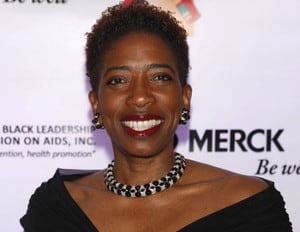
Carla Harris
Listen to the entire podcast here: https://allaccessradio.libsyn.com/kelli-richards-interviews-carla-harris

Stephanie Redd
Listen to the entire podcast here: https://allaccessradio.libsyn.com/kelli-richards-interviews-stephanie-redd
Wearable Technology – iWatch and Wait
Formally known as “The Apple Watch,” Apple again forces us all to ask one existential question: What is it? Is it a bird? A plane? A watch, computer, bracelet, phone, or tablet? Now, you might be saying: Smart watches aren’t a new idea. But, in the end, Apple really does just do everything better.
The Ultimate Guide to Delegating (for Entrepreneurs Who Hate Delegating)
October 17, 2014, Inc. Freeing up your time won’t just make you more productive; it will also help maximize the skills and strengths of everyone on your team — including you. Read the entire article here: https://www.inc.com/kelli-richards/the-ultimate-guide-to-delegating-for-entrepreneurs-who-hate-delegating.html
The Secret Weapon of Billionaire CEOs and Other Wildly Successful People
October 10, 2014, Inc. If you’ve reached a plateau, it might be time to hire a business coach. A business coach can be a valuable asset to any executive and leader. Read the entire article here: https://www.inc.com/kelli-richards/the-secret-weapon-of-billionaire-ceos-and-other-wildly-successful-people.html
9 Ways to Make a Lasting Impression at Your First Conference
October 3, 2014, Inc. Conferences and industry events are a great place to initiate, establish, and nurture valuable business connections, but if you do the work before and after, you’re much more likely to maximize your time when you’re face-to-face. Read the entire article here: https://www.inc.com/kelli-richards/9-ways-to-make-a-lasting-impression-at-your-first-conference.html
Peter Hoddie
Listen to the entire podcast here: https://allaccessradio.libsyn.com/kelli-richards-interviews-peter-hoddie
The Super Connector’s Guide to Making Powerful Business Introductions
September 26, 2014, Inc. If you aren’t actively looking for ways to make valuable introductions for your connections, your network isn’t as strong as it could be. Read the entire article here: https://www.inc.com/kelli-richards/the-super-connector-s-guide-to-making-powerful-business-introductions.html

Elaine Dennis
Listen to the entire podcast here: https://allaccessradio.libsyn.com/kelli-richards-interviews-elaine-dennis
3 Essential Steps to Creating a Successful Personal Growth Plan
September 19, 2014, Inc. Drawing up a plan with the counsel of trusted advisors can not only help you visualize your goals and the necessary steps to achieve them, but it can also remedy a lot of the uncertainty that held you back in the first place. Read the entire article here: https://www.inc.com/kelli-richards/3-essential-steps-to-creating-a-successful-personal-growth-plan.html
Music and Your Brand: Five Ways to Tune Your Demographic In With the Right Band
Attention is a scarce resource—and that means it’s a costly one. In a world of hundreds of competing voices, art and music have become a powerful way to bring a brand back into the spotlight. The perfect example? The “marriage” of Alicia Keys and Blackberry. Blackberry didn’t just bring Keys in as a spokesperson, either; it made her its creative director. That wasn’t just some made-up title to give the “Girl on Fire” credibility; Keys has brought in some stellar ideas to create user (and fan) engagement. For her first act, Keys shot videos in every location of her tour, and she invited local fans and residents of those locales to send their own photos to include in the video clips. Photos chosen went on Alicia Keys’ on-stage video projection. Now that is a huge win around user experience—one of the fastest ways to turn engagement into ROI. Make It Relevant Right now, consumer brands are marketing more and more with music and entertainment. In fact, it’s become so important that some major brands have started their own record labels—including Red Bull, Scion, Mountain Dew, and Converse. Why? Music is a powerful way to create a cultural connection and engage with an audience while drawing your product even closer to your demographic’s lifestyle. Being hip, cool, relevant, and present as a brand is important, but the more important issue can be the cost to your image if you resist popular trends. (Just one example: Levi’s missed the hip-hop boom, and it cost the company $1 billion in sales—in one year.) Tuning in isn’t just a smart way to connect with your audience; it can be vital to your brand’s survival. The New ‘A&R’ Brands are becoming a trusted source for breaking hip underground artists to the mainstream media. The iTunes team at Apple (my alma mater) chose specific, obscure artists to create buzz around the launch of iTunes. That curating practice was really a form of Artist and Repertoire (or A&R), which used to be the domain of a record company. An “A&R” role—which I once did for EMI Music prior to launching the music vertical at Apple—was responsible for cultivating new talent for a label. Now, brands are performing that role themselves. By partnering with artists who fit your audience, you can create the perfect exposure for your brand to the right people. Here are a few ways to start: Find the right sound. If you don’t know which artists may make sense for your brand, hire people who do, or spend time online and on social media networks researching what your audience is listening to. Just ask and explore; they’ll tell you which artists you’ll want to pursue further. Target your age group. Brands vying for the attention of younger audiences—especially those 13-25—must be tuned into the entertainment world, especially when tie-ins between brands and bands are core to success. By partnering with exactly the right artistic act, you’ll net far more attention—and credibility—with your target audience. Get in touch. Many brands are approaching artists directly. If the artist is signed, the label may be involved, but it’s best to start with the artist’s manager (if an established band) or the artist directly (when a rising indie artist). Go where your audience is. Music festivals create the perfect audience for a brand. You’ll place yourself in front of thousands of viewers and kindle a shared passion with your artists’ fans. There are lots of music festivals catering to diverse audiences; find your niche. Unify and balance. Merging the needs of artists, brands, and fans can create powerful results. When an artist has a song that ties into the theme of a brand campaign, it resonates with the audience and is doubly powerful. Behind the Music There’s nothing quite like a smart, well-executed match between a brand and an artist. When Rihanna debuted her clothing line for River Island during London Fashion Week, she helped generate buzz and boost awareness in the United States around the UK-based clothing brand. When Panic at the Disco partnered with Honda Civic for the Honda Civic Tour in 2008, the group created an original, exclusive song for Honda’s Civic commercial. The band reached a much broader audience, which resulted in higher CD and ticket sales, and Honda was on the cutting edge with a new kind of branded content. Apple’s commercial for the launch of the MacBook Air featured a soundtrack from a little-known artist, Yael Naim. “New Song,” which was recorded in Naim’s Paris apartment, jumped up the charts and subsequently led to a wildly popular US tour—and critical success. Those are just a few examples; dozens of artistically interesting campaigns have benefited from the touch of a complementary musical act. That creative matchmaking is different every time, and it brings a new, fresh twist to a brand’s perception. The reason is simple: By its nature, music is both emotional and powerful. That’s why fans gather around their favorite artists, creating strong, tightly knit subcultures. Tuning into those communities can be the difference between becoming “white noise” and making a truly engaged connection—and that’s every advertising campaign’s goal. This post was originally published on Marketing Profs.
How to Make Money By Talking to Cool People
September 5, 2014, Inc. Hosting a podcast series helps increase brand recognition and provides a credibility boost.
Music and Your Brand: Five Ways to Tune Your Demographic In With the Right Band
September 15, 2014, LinkedIn Articles Attention is a scarce resource—and that means it’s a costly one. In a world of hundreds of competing voices, art and music have become a powerful way to bring a brand back into the spotlight. Read the entire article here: https://www.linkedin.com/pulse/20140915152830-9638-music-and-your-brand-five-ways-to-tune-your-demographic-in-with-the-right-band/
How to Harness Power Like a Celebrity
September 11, 2014, Inc. Three strategies of the stars that business professionals can use to make a difference in the world and do things that truly matter to them. Read the entire article here: https://www.inc.com/kelli-richards/how-to-harness-power-like-a-celebrity.html
Star-Struck: Tapping into the Power of a Celebrity Speaker
September 8, 2014, LinkedIn Articles Creating a well-designed event is a balancing act. Tapping industry leaders and controversial renegades, orchestrating brilliant panels, and throwing awesome after-parties all help draw people in, but a well-informed celebrity speaker can elevate your event to “can’t-miss” status with real punch and energy. Read the entire article here: https://www.linkedin.com/pulse/20140908165516-9638-star-struck-tapping-into-the-power-of-a-celebrity-speaker/

Lisa Wellman
Listen to the entire podcast here: https://allaccessradio.libsyn.com/kelli-richards-interviews-lisa-wellman
How to Harness Power Like a Celebrity.
Three strategies of the stars that business professionals can use to make a difference in the world and do things that truly matter to them.
In the mid-1990s, Apple ran a series of insightful ads entitled “Power Is,” featuring several celebrities describing what power meant to them.
Star-Struck: Tapping into the Power of a Celebrity Speaker
Creating a well-designed event is a balancing act. Tapping industry leaders and controversial renegades, orchestrating brilliant panels, and throwing awesome after-parties all help draw people in, but a well-informed celebrity speaker can elevate your event to “can’t-miss” status with real punch and energy.
Personal Glimpses of a Comet: Comic Genius Robin Williams
Sometimes there are people who touch our lives in brief glimpses – and those encounters are so magical that we hold onto them and look forward to the next one over and over. They’re friends of friends or colleagues we bump into at events or meetings or random connections where it seems serendipity is at work.
Only the Good Die Young: Robin Williams & Other Creative Geniuses Taken Too Soon.
I’ll never forget the first time I met Robin Williams. I was a teenager attending a taping of “Mork & Mindy” on the Paramount Pictures lot. He was incredibly gracious and encouraging to my 16-year-old self with aspirations of working in the entertainment business and making my dent in the universe.
Only the Good Die Young: Robin Williams & Other Creative Geniuses Taken Too Soon
August 16, 2014, LinkedIn Articles I’ll never forget the first time I met Robin Williams. I was a teenager attending a taping of “Mork & Mindy” on the Paramount Pictures lot. Read the entire article here: https://www.linkedin.com/pulse/20140816040437-9638-only-the-good-die-young-robin-williams-other-creative-geniuses-taken-too-soon/
Jamie DeWolf
Listen to the entire podcast here: https://allaccessradio.libsyn.com/kelli-richards-interviews-jamie-dewolf

John Cook
Listen to the entire podcast here: https://allaccessradio.libsyn.com/kelli-richards-interviews-john-cook
5 Important Books to Create Your Best Success on Every Level
Attention, book lovers – and CEOs – and artists – and entrepreneurs…. Here are five books I absolutely think you should read, and why. Yes, some of them have been out a while, but if you haven’t read them, give yourself an early birthday gift and order all five. (Then share them with someone you mentor. Remember, trusted advisors don’t just give advice and make powerful connections, they share the good stuff out there that inspires change and action.)

5 Conversation Tools For Nurturing Your Relationship With A Mentor
July 29, 2014, Forbes We’ve all longed for a classic mentor-mentee relationship at some point in our careers. We want someone who is savvy and seasoned. We want her to provide the perfect insights and career advice that will help us reach our goals. We want someone who will guide us to our destination. Read the entire article here: https://www.forbes.com/sites/85broads/2014/07/29/5-conversation-tools-for-nurturing-your-relationship-with-a-mentor/
How Technology Has Made Home Business Easier
Of the 28 million small businesses in the United States, 52 percent of them are home-based. Maintaining and organizing your business from home is easier with the advancements in mobile technology. With the latest apps and services you can organize your business’ finances, organize your team, market your product, and provide your customers with top-notch customer service. These technologies have made it easy for home businesses to streamline processes and produce products that mimic larger organizations.

Steve Hayden
Listen to the entire podcast here: https://allaccessradio.libsyn.com/kelli-richards-interviews-steve-hayden

Eren Niazi
Listen to the entire podcast here: https://allaccessradio.libsyn.com/kelli-richards-interviews-eren-niazi
Randy Haykin
Listen to the entire podcast here: https://allaccessradio.libsyn.com/kelli-richards-interviews-randy-haykin
A Hard Day’s Night for Digital Legacy – The Lost Beatles Recordings
Great work will never die in today’s ever expanding online digital world. According to the IDC “The digital universe is growing 40% a year into the next decade. By 2020 it will contain nearly as many digital hits as there are stars in the universe.” In fact, according to Science Daily, 90% of all the world’s data has been written in the past 2 years. Wow. That is an incredibly daunting idea. Literally 90% of the information that is readily accessible to the world today was not available only 2 years ago.
Annual Allen & Company Sun Valley Conference
“Allen & Company is a private investment firm formed in 1922, located in New York and London. Allen & Company has advised, helped found and/or invested in numerous companies including BET, InterActiveCorp, Oxygen Media, Discovery Communications, News Corporation, the Coca-Cola Corporation and Google.”
Kick-Finishing: The Next Big Thing in Promotion – from Linkedin Influencers
It’s no surprise that artists and entrepreneurs alike frequently turn to crowdfunding — it works.
Crowdfunding campaigns raised more than $60,000 every hour in March. That’s a huge network recognizing and supporting individual projects and careers.
But it’s not just the initiation stage of a project that can benefit from a crowdfunding network. By using crowdfunding to spread the word after you’ve completed your project, you can turn your fans and partners into a massive marketing team and drastically increase the reach of your brand. This tactic is called kick-finishing, and it’s exactly what my musician friend Brent Bourgeois is doing with his new album.
Brent Bourgeois and the Origins of Kick-Finishing
Brent is a rock musician based in the San Francisco Bay Area with an extensive career in performing, songwriting, and producing. In the ’80s, he was a founding member of a fantastic band called Bourgeois Tagg and has since collaborated with numerous other talented artists.
Kick-Finishing: The Next Big Thing in Promotion
June 29, 2014, LinkedIn Articles It’s no surprise that artists and entrepreneurs alike frequently turn to crowdfunding — it works.

John Holland
Listen to the entire podcast here: https://allaccessradio.libsyn.com/kelli-richards-interviews-john-holland
How to Build a Strong Relationship with Your Mentor?
There is nothing more valuable for your personal and professional growth than finding the right mentor to guide and challenge you. But working with a mentor is not a transaction; it is a relationship, and as with any relationship it can be easily destroyed if you don’t take good care of it.
Why Apple’s Beats Acquisition May Be Its Smartest Move Yet
The most talked-about “secret” of 2014 was Apple’s $3 billion acquisition of Beats. Although it wasn’t officially announced until May 28, rumors swirled around the Internet for weeks.
Tune in for my powerful interview with Brent Bourgeois
Brent Bourgeois is a long-time colleague and notable American rock musician, songwriter, and producer who most recently worked with Julian Lennon on their single ‘The High Road’ off of his New Album ‘Don’t Look Back’ (with sales supporting Julian’s White Feather Foundation).
Why Apple’s Beats Acquisition May Be Its Smartest Move Yet
June 9, 2014, LinkedIn Articles The most talked-about “secret” of 2014 was Apple’s $3 billion acquisition of Beats. Although it wasn’t officially announced until May 28, rumors swirled around the Internet for weeks.
Eventual Millionaire Interview: How to Network With Celebrities and Thought Leaders like Steve Jobs, with Kelli Richards
Eventual Millionaire Interview: How to Network With Celebrities and Thought Leaders like Steve Jobs, with Kelli Richards
How Your Brand Can Rock the Socks Off A Music Festival
Summer music festivals are full of sunshine, fun, and community, but they’re also packed with thousands of potential customers and brand advocates. Advertising at these events is nothing new, but startups that can find a way to become part of the festival can reap significant benefits.
How Your Brand Can Rock the Socks Off A Music Festival
May 21, 2014, LinkedIn Articles The most talked-about “secret” of 2014 was Apple’s $3 billion acquisition of Beats. Although it wasn’t officially announced until May 28, rumors swirled around the Internet for weeks.
Nancy Duarte
Listen to the entire podcast here: https://allaccessradio.libsyn.com/kelli-richards-interviews-nancy-duarte
Dear HBO, Please Keep ‘Silicon Valley’ Real!!!
Of course, Hollywood is famous for exaggerating or overlooking important aspects of reality for entertainment purposes, but so far, HBO’s “Silicon Valley” looks promising. Despite the dramatic plotline and startup stereotypes, the show provides a mostly accurate portrayal of entrepreneurial life and may even help demystify some aspects of startup culture.
3 SEEMINGLY OBVIOUS TECH MERGERS WE’RE STILL WAITING FOR
One of the best parts of working in the tech industry is having a ringside seat to watch heavyweights like Google and Apple duke it out for market share and to be the first to develop the next big thing.
Cheri Huber
Listen to the entire podcast here: https://allaccessradio.libsyn.com/kelli-richards-interviews-cheri-huber-0
Dear HBO, Please Keep ‘Silicon Valley’ Real
May 7, 2014, Forbes Startup life is a hot topic in Hollywood right now. From Joshua Michael Stern’s “Jobs” to the Amazon original series “Betas,” there’s an undeniable appeal to life in Silicon Valley for those both inside and outside the startup bubble. Read the entire article here: https://www.forbes.com/sites/85broads/2014/05/06/dear-hbo-please-keep-silicon-valley-real/

3 Seemingly Obvious Tech Mergers We’re Still Waiting For
May 5, 2014, Fast Company One of the best parts of working in the tech industry is having a ringside seat to watch heavyweights like Google and Apple duke it out for market share and to be the first to develop the next big thing. Read the entire article here: https://www.fastcompany.com/3029955/3-seemingly-obvious-tech-mergers-were-still-waiting-for
What are the 5 Best Steps to Deepening Your Relationship with a Mentor?
Once you’ve chosen a mentor, or accepted a mentee, and established the ground rules of working together, the pressure is on to keep the conversation productive and relevant.
Important Security Measures for Small Businesses
With business data breaches becoming a common story on the evening news, small businesses need to be vigilant about securing their systems and technology to protect their customers and their operations. Symantec’s 2014 Internet Security Threat Report found that web-based attacks, targeted attacks and the number of breaches all significantly increased in 2013 and one in eight websites have a liability vulnerable to attacks. Make your business data difficult to access and manipulate so criminals move on to easier targets by knowing how data breaches occur, minimizing risk and regularly monitoring security.
Matt Swafford
Listen to the entire podcast here: https://allaccessradio.libsyn.com/kelli-richards-interviews-matt-swafford
Tom Rodrigues
Listen to the entire podcast here: https://allaccessradio.libsyn.com/kelli-richards-interviews-tom-rodrigues
How to Build a Strong Relationship with Your Mentor?
There is nothing more valuable for your personal and professional growth than finding the right mentor to guide and challenge you. But working with a mentor is not a transaction; it is a relationship, and as with any relationship it can be easily destroyed if you don’t take good care of it.
Cathal Furey
Listen to the entire podcast here: https://allaccessradio.libsyn.com/kelli-richards-interviews-cathal-furey
Is a Joint Venture Right for Me?
Entering into a Join Venture is not something to undertake lightly. It is a major decision and requires careful consideration. Here are some of the basics of how Joint Ventures work and some key points to keep in mind when considering whether or not it’s the right move for your business.
Want to Take Your Project to the Next Level? Collaborate!
Although our culture tends to celebrate the idea of the “lone creative genius,” the truth is that a look behind the scenes of any success story will very often reveal the work of a stellar team; a group of passionate people who worked together to challenge and motivate one another. Steve Jobs famously promoted collaboration to increase productivity and creativity at Apple. It was one of the benchmarks of all the work that went on during my years there, and it continues to be a best practice of the corporation, and the alum that worked there.
The Who What Where When & Why of Startups
Essentially, startups form because a group of rebels are fueled to the brim by enthusiasm, innovation and passion about their ideas and products. Sadly, those assets are not enough though. Without the resources, infrastructure, and / or the knowledge to develop it on their own, it’s very likely to go supernova before it ever develops a comfortable orbit. Mentoring is a core part of running a successful startup.

John Amaral
Listen to the entire podcast here: https://allaccessradio.libsyn.com/kelli-richards-interviews-dr-john-amaral
4 Steps to Ace an Early-Adopter Culture
In this era of rapid innovation, a new technological breakthrough can shake an entire industry in an afternoon, and consumers are hungry for the most advanced gadgets available. Businesses are constantly expected to be at the forefront of emerging technology.
Chris Dotson
Listen to the entire podcast here: https://allaccessradio.libsyn.com/kelli-richards-interviews-chris-dotson-inc
4 Tech Dinosaurs That Will Finally Die in 2015
In recent years, technology has changed the way we view work, entertainment, media, and even our workout habits. While most people are focused on what’s next for wearables, cloud computing, and syncing gadgets, few have taken the time to consider the tech we’re going to be sending into retirement in the coming years.

4 Steps to Ace an Early-Adopter Culture
March 12, 2014, Entrepreneur In this era of rapid innovation, a new technological breakthrough can shake an entire industry in an afternoon, and consumers are hungry for the most advanced gadgets available. Businesses are constantly expected to be at the forefront of emerging technology. Read the entire article here: https://www.entrepreneur.com/leadership/4-steps-to-ace-an-early-adopter-culture/232132
How to Vet a Crowded Industry for Hidden Innovation Opportunities
Most of the 10 million thermostats sold every year throughout the U.S. were clunky, inefficient, and impossible to program, but a simple, Wi-Fi-enabled device that could be programmed via a smartphone — that could be a game changer. Fadell and Rogers saw this opportunity, left their jobs at Apple, and got to work.
5 Unlikely Music Legends With Great Advice for Entrepreneurs
We usually expect business wisdom to come from the likes of Mark Cuban, Elon Musk, and Warren Buffett — not Jimmy Buffett. But there are a few big names in entertainment who would surprise you with their entrepreneurial spirit and business acumen.
4 Tech Dinosaurs That Will Finally Die in 2015
February 27, 2014, Forbes In recent years, technology has changed the way we view work, entertainment, media, and even our workout habits. While most people are focused on what’s next for wearables, cloud computing, and syncing gadgets, few have taken the time to consider the tech we’re going to be sending into retirement in the coming years. Read the entire article here: https://www.forbes.com/sites/85broads/2014/02/27/4-tech-dinosaurs-that-will-finally-die-in-2015/https://www.forbes.com/sites/85broads/2014/02/27/4-tech-dinosaurs-that-will-finally-die-in-2015/
Two Steps to Creating Collaborations and One to Surviving When they Go Wrong.
Today I had the privilege of interviewing Ian Miller. Ian is an expert brand and marketing strategist with 30 years of experience building hugely competitive brands and the CEO and Founder of The Brand Practice, a business and brand strategy consultancy. A recognized expert / lecturer in Ingredient Branding, Ian Miller has led the creation and global launch of the ingredient brand, NutraSweet, and worked closely with over 50 partner brands, including Diet Coke and Diet Pepsi – creating great synergy and collaboration around the business world.
5 Tools Every Entrepreneur Needs in 2014
Entrepreneurs must be practical experts, according to author and leadership expert Simon Sinek. A new business owner needs to specialize in his craft, as well as marketing, graphic design, and plant maintenance. He sweeps, writes press releases, and keeps the books. An entrepreneur is everything to everyone. Juggling so many jobs can be a huge task, but happily there are new tools and tech to get you through it without losing your mind.

Albhy Galuten
Listen to the entire podcast here: https://allaccessradio.libsyn.com/kelli-richers-interviews-albhy-galuten
Step Away from the Smartphone
Of the 93% of Americans that use cell phones or wireless devices, one-third of them are using “smartphones,” with which you can browse the Web and check e-mail. In other words, most of us are spending our days walking around with our eyes glued to our phone screens, as chillingly demonstrated in this telling YouTube short.

Brent Bourgeois
Listen to the entire podcast here: https://allaccessradio.libsyn.com/kelli-richards-interviews-brent-bourgeois
Bobby Fried
Listen to the entire podcast here: https://allaccessradio.libsyn.com/kelli-interviews-robert-fried
The Benefits of BYOD Across Different Company Sizes
Anyone connected to the business world has heard about the rampant popularity of bring-your-own-device policies, better known as BYOD. The trend will continue for the near future and likely beyond, with Gartner analysts claiming that 50 percent of companies will mandate a BYOD platform over the course of the next five years. The popularity and gains in morale aside, however, does a BYOD set of policies make sense to a company on a financial standpoint? In terms of dollars and cents, some businesses may get more out of BYOD than others.
The Secret to Becoming a Super Connector
January 28, 2014, LinkedIn Articles A few years ago, a former colleague reached out to me. He was working at Cisco, helping the company organize its 25 anniversary employee celebration. For the event’s entertainment, CEO John Chambers wanted Jerry Seinfeld. Read the entire article here: https://www.inc.com/kelli-richards/the-super-connector-s-guide-to-making-powerful-business-introductions.html
iPhone: Hover Technology Coming Soon?
Imagine having dirty or wet hands, not wanting to touch your phone, but still needing to use it- you can. It takes new phone anxiety and consequent over protection to a whole new level. But beyond aiding neat freaks in protecting their phones, this technology has immense potential, and really left me wishing that my phone could do the same cool new tricks.

Peter Hoppenfeld
Listen to the entire podcast here: https://allaccessradio.libsyn.com/kelli-richards-interviews-peter-hoppenfeld
Live Viewing Services for YouTube Verified Users?
In a day and age largely defined by the creation and expansion of social networking, and sharing, YouTube’s expansion of live video services to all verified users, may not seem so revolutionary or even like a new idea, but it will no doubt prove its versatility.
Coin: Access to All of Your Cards in One
Coin is a new type of credit card that stores all of your accounts on one card. How can this be possible, you ask? Coin works just like any other credit card and you can swipe it in any machine, only this card comes with out hassle. To choose which account you want to use for each particular purchase, simply click the round button on the card and scroll through each account on the small display screen until you find the correct account.
4 Unique Gatherings for Thought Leaders in 2014
We live in a rapidly changing world, and it’s not about to slow down in 2014. Here are four exciting events in the coming year that will keep you on the bleeding edge of innovation.
International CES “It’s a lab. A social hub. A marketplace. And a few things they’ve yet to create words for.”
Mike Koenigs
Listen to the entire podcast here: https://allaccessradio.libsyn.com/kelli-richards-qa-w-mike-koenigs-ceo-of-traffic-geyser-0
Chip Schultzman
Listen to the entire podcast here: https://allaccessradio.libsyn.com/kelli-richards-qa-w-chip-schutzman-miles-high-productions
Anthony Cordova
Listen to the entire podcast here: https://allaccessradio.libsyn.com/kelli-richards-interviews-anthony-cordova

Jeffery Weber
Listen to the entire podcast here: https://allaccessradio.libsyn.com/kelli-richards-interviews-jeffrey-weber-author-producer

Brenden Mulligan
Listen to the entire podcast here: https://allaccessradio.libsyn.com/kelli-richards-interviews-brenden-mulligan-ceo-of-onesheet
4 Must-Have Gifts for the Music Fanatic in Your Life
You’ve eventually got to get creative when it comes to buying gifts for your music lover. Here are 4 awesome ideas to get you started that are sure to please any music fan.

Lyle Workman
Listen to the entire podcast here: https://allaccessradio.libsyn.com/kelli-richards-qa-w-musician-composer-lyle-workman

Christine Arylo
Listen to the entire podcast here: https://allaccessradio.libsyn.com/kelli-richards-qa-w-christine-arylo-author-and-coach
Luke Potter
Listen to the entire podcast here: https://allaccessradio.libsyn.com/kelli-richards-qa-w-singer-songwriter-luke-potter
Frans Johansson
Listen to the entire podcast here: https://allaccessradio.libsyn.com/kelli-richards-interviews-frans-johansson

Scott Fox
Listen to the entire podcast here: https://allaccessradio.libsyn.com/kelli-richards-interviews-scott-fox-0

Judy Robinett
Listen to the entire podcast here: https://allaccessradio.libsyn.com/kelli-richards-interviews-judy-robinett

Dave Ulmer
Listen to the entire podcast here: https://allaccessradio.libsyn.com/kelli-richards-interviews-dave-ulmer
EOS 3D: A Radical Step Forward for 3D Technology
But all this has changed with the introduction of EOS 3D – which literally prints 3D objects. These machines are capable of “printing” in plastic, metal, and sand manufacturing, and the appeal to various industries – ranging from aerospace to medical and lifestyle products – is undeniable.
How to Start a Rabbl: Tell Your Favorite Bands Where to Play, and When
With the advent of various personal music-creating and editing programs (from Audacity, to Garage Band, to Logic Pro) it has become increasingly easy, and more popular for individuals to dive into the independent music industry. Success stories of amateur musicians, making it big from small, at-home “studios,” are rolling in daily.

Freddie Ravel
Listen to the entire podcast here: https://allaccessradio.libsyn.com/kelli-richards-interviews-freddie-ravel

Dave Jaworski
Listen to the entire podcast here: https://jeeni.com/track/kelli-richards-interviews-dave-jaworski-3rd-ever-employee-of-microsoft-canada
Carol Pepper
Listen to the entire podcast here: https://allaccessradio.libsyn.com/kelli-richards-qa-w-carol-pepper-author-wealth-manager
Linda Ronstadt
Listen to the entire podcast here: https://allaccessradio.libsyn.com/kelli-richards-interviews-linda-ronstadt