

A Grammy Winner, A Circus Master, And An Apple Veteran On Career Reinvention
 July 15, 2016,
Fast Company
Stewart Copeland cofounded The Police. Kelli Richards grew up where her Apple office later stood. These are their career-change tips.
Read the entire article here: https://www.fastcompany.com/3061833/a-grammy-winner-a-circus-master-and-an-apple-veteran-on-career-reinvention
Taylor Swift and Other Top Artists Stand United Against DMCA & YouTube
 In the past couple of months things have been getting more heated as a coalition of over 180 top musicians have aligned to complain about the Digital Millennium Copyright Act (DMCA). The 1998 law governs the way big internet companies can use material uploaded by their users. As technology has progressed over the past two decades, the artists’ stance is that their royalties have been diminishing relative to the many new devices and services that have sprung up in that timeframe. And in tandem as they’re making their voices heard about concerns suggesting that the DMCA is broken in today’s terms, they’re taking aim squarely at YouTube as a primary example of how this structure no longer works for artists (if it ever did). …
Taylor Swift and Other Top Artists Stand United Against DMCA & YouTubeRead More »

Oprah’s Real Secret to Success May Not Be What You Think It Is
 July 7, 2016,
Inc.
Oprah Winfrey came from nothing and built a media empire, but her most impressive quality worth emulating is her EQ (emotional quotient).
Read the entire article here: https://www.inc.com/kelli-richards/oprah-s-real-secret-to-success-may-not-be-what-you-think-it-is.html

Mark Silverman, Coach, Consultant, Author
Mark Silverman is not a Coach or a Consultant per se, although he has Coaching and Consulting Clients. For him, every engagement is unique, with the common thread being a leap forward towards the intended result. Mark has generated over $90 Million in sales and received numerous awards over his 15 year career at fast moving, fast growing companies like NetApp, VMware and EMC.
Listen to the entire podcast here: https://allaccessradio.libsyn.com/ditch-your-lists-access-your-flow-intuition-and-creativity
…
4 Things Successful People Don’t Do
July 1, 2016,
Inc.
Follow these steps to utilize your own storytelling narrative and be more authentic with your audience.
…
Life Gets Easier When You Operate in the Zone
Many of us run our lives off “To Do” lists — and have issues managing time, priorities, and eliminating distractions. We’re all over the place and our attention and mood is scattered, stressed and we’re inefficient. It doesn’t have to be that way! We can increase our productivity and save our sanity when we operate ‘in the zone’ more of the time. When you are in the zone, you are focused, firing on all cylinders, getting things done, accomplishing your goals, meeting expectations of yourself and others, all while staying in a calm, neutral place emotionally. You feel good because you’re taking care of what you need to and are honoring your commitments to yourself and others; you’re doing what you said you were going to do. There’s no greater sense of satisfaction than that! I know that’s been my experience.
Here are a few tips for getting in the zone: …
Becoming the Person You Want to Be is Simple but It’s Not Easy
 I had the rare privilege of spending time with Marshall Goldsmith a couple of months ago courtesy of my mentor Alan Weiss at an event that Alan hosts annually called the Million Dollar Consulting Convention. Marshall was the Keynote speaker at Alan’s event this year, and is in high demand as one of the most successful executive coaches on the planet. He’s the author of many terrific and insightful books like “What Got You Here Won’t Get You There”, and he was delightful and very generous in his time with us. Marshall was kind enough to provide us all with copies of his latest book “Triggers: Creating Behavior that Lasts & Becoming the Person You Want to Be”.
I read a lot of books on self-improvement and personal growth, and Triggers offers fresh insights that I haven’t come across elsewhere to this point. …
Becoming the Person You Want to Be is Simple but It’s Not EasyRead More »

Lorenzo Lamas, Actor, Author
Lorenzo Lamas is an American actor well known for playing Lance Cumson on the 1980s soap opera Falcon Crest (Golden Globe Award nomination for Best Supporting Actor), Reno Raines on the 1990s crime drama Renegade, and Hector Ramirez on the daytime soap opera The Bold and the Beautiful.
Listen to the entire podcast here: https://allaccessradio.libsyn.com/what-i-learned-about-donald-trump-from-celebrity-apprentice
…
3 Ways to Keep the Art of Storytelling Alive
June 16, 2016,
Inc.
Follow these steps to utilize your own storytelling narrative and be more authentic with your audience.
…
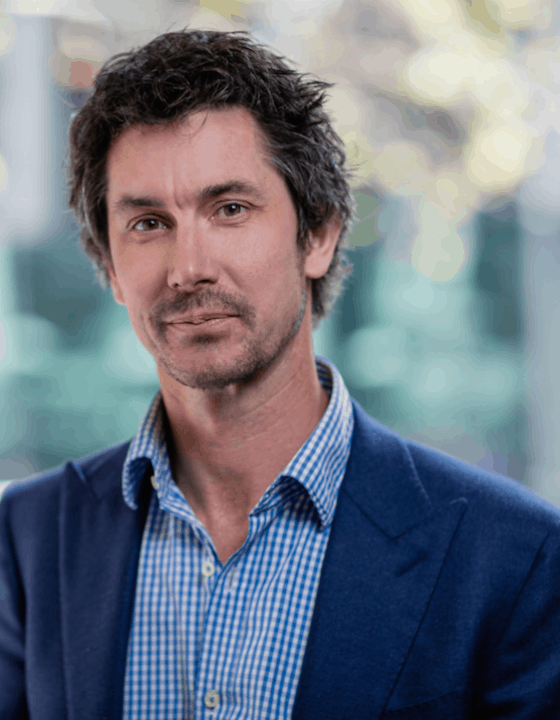
Creel Price, Serial Entrepreneur, Author, Speaker
From scaling some of the highest mountains in the world, to working with Richard Branson on the future of philanthropy, exiting his business for over $100m and captaining Australia in the World Elephant Polo Championships, Creel Price is the high-octane adventurer at the forefront of what he now calls “The Entreprenaissance.”
Listen to the entire podcast here: https://allaccessradio.libsyn.com/the-1-magic-ingredient-for-joining-the-entreprennaissance
…
Creel Price, Serial Entrepreneur, Author, SpeakerRead More »